Why rent fashion space in West Hollywood
West Hollywood sits between the entertainment industry above (studios and production on Sunset) and the retail-led neighborhoods below (Melrose, West Third, the Fairfax corridor). That geography makes it a magnet for fashion brands planning a limited run. The neighborhood draws a mix of locals, tourists visiting the Walk of Fame, and an industry crowd that shops during work hours. Foot traffic peaks in the afternoon and evening, and it remains steady at weekends.
The area is known for its LGBTQ+ cultural heritage and contemporary fashion credibility. Brands launching collections or collaborations here reach an audience that actively consumes fashion and follows independent designers. That demographic tends to be early adopters, which is why pop-ups here often serve as testing grounds before a full retail launch elsewhere.
Where to locate on the ground
Sunset Boulevard between Larrabee and La Cienega carries the highest tourist footfall and the largest format spaces, but also the highest rents and the most saturated retail landscape. A space here trades on location alone and works best for a brand with strong baseline recognition.
Melrose Avenue is the streetwear anchor, running east toward Fairfax with independent boutiques, sneaker drops and a young weekend crowd. Spaces here compete hard, but the audience is exactly the demographic that shops pop-ups.
Santa Monica Boulevard carries a commercial mix (restaurants, salons, independent retail) with a steadier local and passing trade. Rents here are lower than Sunset or Melrose, and foot traffic is more reliable day-to-day, making it a practical choice for a brand prioritizing consistency over peak hours.
West Third Street and the blocks around it hold converted low-rise commercial and mixed-use buildings with courtyard access and generous storefronts. This is where larger activations and gallery-format spaces are found.
Typical booking patterns
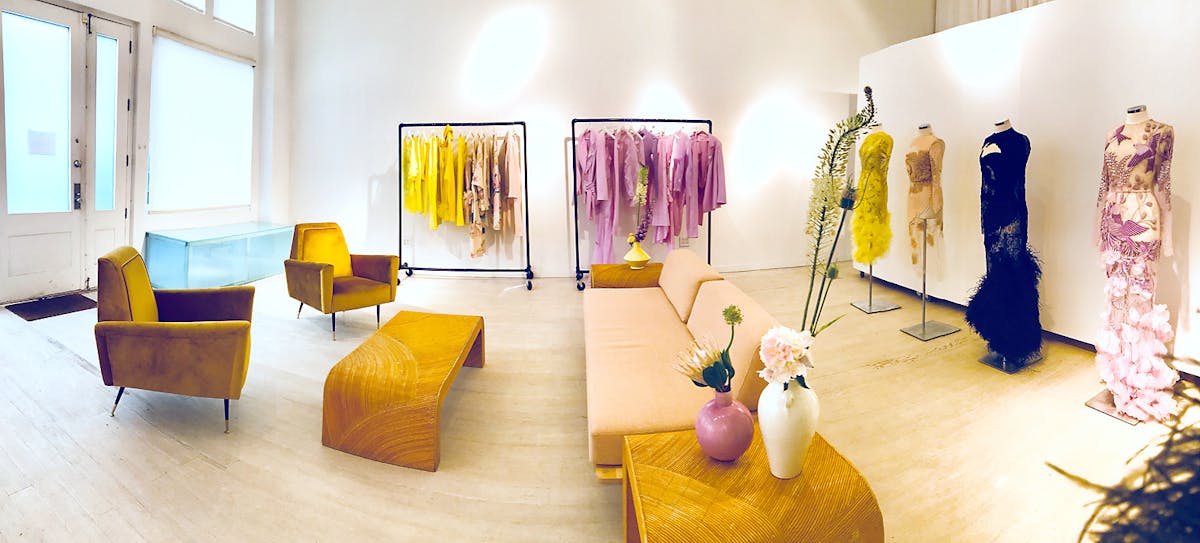
Fashion retailers in West Hollywood typically book for 2 to 8 weeks, though shorter runs of 3 to 5 days are available for launches and events. Many spaces here come furnished or semi-furnished, which saves on build-out costs for a limited engagement. Loading access and storage are worth confirming early, especially if the space is street-level.
Weekend foot traffic is the primary draw, but the neighborhood sustains weekday traffic as well, a practical advantage over retail strips that are dead Monday to Friday.
Seasonal peaks
The holiday retail season from November through December draws the strongest foot traffic and the most competitive space availability. Pop-ups that time their opening to early November capture the early gifting crowd before major retail escalates.
Fashion Week satellite events and trunk shows in the spring and fall create secondary peaks. Brands often take short-term space in the weeks before and after major fashion events to host private appointments and public openings.
Summer carries steady but not exceptional foot traffic, though the weather is reliable for outdoor pop-ups and courtyard activations. It is a good window for testing without the pressure of peak seasons.
What to expect on booking
Spaces in West Hollywood are highly sought after, so availability can be tight during peak retail periods. Booking 4 to 6 weeks in advance is advisable for prime real estate on Sunset or Melrose. Off-peak windows (late January through early March, June through July) often have more choice and more negotiable rates.
Most spaces require a security deposit, insurance and cleaning fees; these are agreed directly with the space owner and vary by location and duration. Cancellation terms are set by the owner and listed on each space's page. Confirm parking, loading access and any signage restrictions before finalizing a booking, these details vary significantly by block and can affect the activation's success.
Requirements for permitting, business registration and compliance depend on the space, the activity and the specific city where the address sits. West Hollywood and Los Angeles have different rules, so confirm the rules for your exact address before booking.
FAQ
What is the typical foot traffic on Sunset Boulevard?
Sunset Boulevard between Larrabee and La Cienega carries very heavy foot traffic, especially in the afternoon and evening. The area's appeal to tourists and industry professionals makes it a reliable draw, though rents reflect that demand.
Can I run a pop-up fashion store for just a few days?
Yes. Spaces are available from as short as 3 days for a launch or collaboration. Shorter runs typically command higher daily rates than longer bookings, so balance the duration against the foot traffic you need.
Is parking available at West Hollywood spaces?
Parking varies significantly by block. Spaces on Sunset and Melrose often have limited or no dedicated parking, while spaces on Third Street or in courtyard buildings frequently include dedicated lots. Confirm what comes with the space before committing.
Which season is best for a fashion pop-up here?
November through December commands the strongest foot traffic and attracts the most affluent shoppers, but spaces are scarcer and rents are highest. Spring and fall Fashion Week periods are secondary peaks. Summer and late January to March offer more availability and lower rates, with trade-offs in footfall.
Do these spaces come furnished?
Many West Hollywood spaces come with basic fixtures or built-in displays, which reduces your build-out costs. Confirm what is included in the listing before booking, as this varies from space to space.
How far in advance should I book?
Peak seasons (November to December, Fashion Week periods) fill 4 to 6 weeks ahead. Off-peak windows often have availability with 2 to 3 weeks' notice. Early booking also gives you time to confirm permitting, signage rules and any other logistics specific to the address.
Browse available spaces
Browse the retail space in West Hollywood search, or explore other fashion retailer options across the city for comparison.