Covent Garden is a managed retail estate built around the former market building, with very high visitor flow and a curated tenant mix. Much of the district sits under single ownership, so lettings go through the estate rather than the open market and the tenant mix is deliberate rather than incidental. That structure makes it unusual in London and worth understanding before you sign a lease.
Why take a shop in Covent Garden
Covent Garden sits inside the Central Activities Zone and is classified as a CAZ retail cluster in the London Plan, a designation reserved for significant mixed-use clusters with a predominantly retail function. The grade tells you who will walk past: Leicester Square station, which serves the area, is among the forty busiest stations in London by annual entries and exits.
The district draws both visitors and residents, with footfall concentrated around the Piazza and the Apple Market during shopping hours and around the theatres before and after performance times. That dual rhythm means a shop here trades across a longer day than most London locations. If you are looking for a retail space for rent on a longer lease, few London addresses match the through-traffic Covent Garden delivers.
Where to find units across the district
The Covent Garden Piazza and the market building carry the highest footfall and the most curated tenant selection. The estate lets permanent units alongside daily stalls inside the Apple Market, but the Piazza units themselves are longer commitments.
Seven Dials, a managed quarter of seven radiating streets, holds smaller units with a curated independent tenant mix. Neal's Yard and Monmouth Street sit inside Seven Dials and offer the smallest frontages in the district, taken by brands wanting a discovered rather than obvious address.
Drury Lane and Endell Street run north toward Holborn and carry smaller, cheaper units than the Piazza, with a mix of independent retail and theatre trade. The Strand and Aldwych form the southern edge: a wide institutional frontage of theatres, hotels and offices rather than a continuous shopping run.
What the units are like
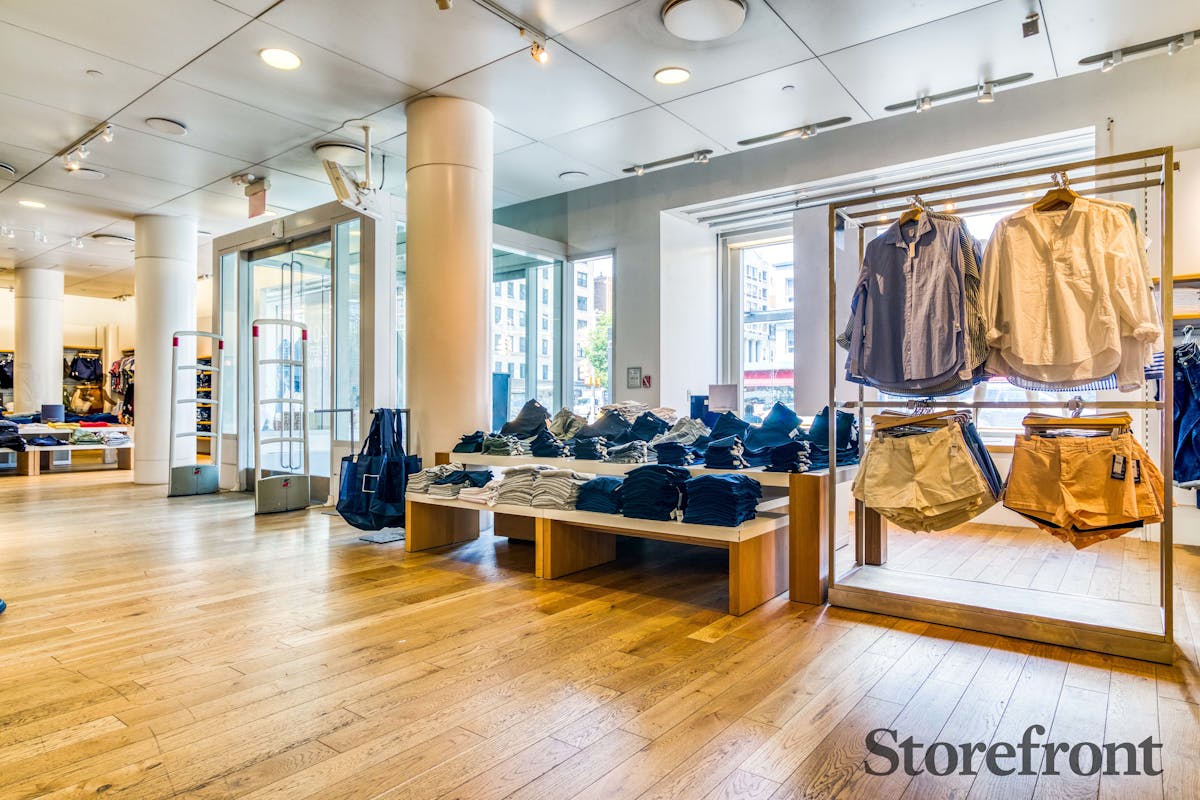
London retail units are small by international standards. Outside the flagship streets and the managed centres, a typical ground-floor shop is a narrow Victorian or Georgian frontage over one or two floors, often with a basement and limited rear access. Brands used to larger floorplates should expect to work vertically rather than horizontally.
Many buildings in central London are listed or sit inside conservation areas, which constrains signage, shopfront alteration and even paint colour. For a leased unit that usually means working with the existing frontage rather than rebranding it. If you need a small storefront, the Neal's Yard and Monmouth Street units are worth considering.
Trading calendar and seasonal demand
The Christmas trading period runs from the switch-on of the West End lights in November through to Christmas Eve. Covent Garden runs its own installations, and West End footfall during this stretch is the highest of the year. Boxing Day opens the winter sale period, one of the busiest trading days in the UK calendar.
Demand also peaks around London Fashion Week in September, London Design Festival and the autumn art fairs. August is the quietest month, when a large share of the city leaves and office footfall drops. The inversion is worth planning around: the visitor season peaks in July and August, but the neighbourhood returns in September as the school year begins.
Managed estates and how lettings work
An unusual amount of central London is owned by a small number of large estates. On an estate-managed street the tenant mix is curated, lettings go through the estate rather than the open market, and the range of neighbouring tenants is part of the commercial proposition. Covent Garden and Seven Dials both operate this way.
The split across London is consistent: international flagships take the prime West End corridors, independent and emerging labels take the east and the smaller streets, and the managed estates sit between the two. A storefront with apartment can suit a brand relocating for a longer lease and wanting to live above the shop.
Frequently Asked Questions
What types of shop are available to let in Covent Garden?
Units range from small independent frontages in Neal's Yard and Monmouth Street to larger retail spaces on the Piazza and along Drury Lane. Most are ground-floor shops, sometimes with a basement, set in narrow period buildings typical of central London.
How long are leases for shops in Covent Garden?
Listings on this page suit brands committing to three months or longer. Lease terms vary by landlord and location within the district, so the specific duration is agreed with the property owner.
When is the busiest trading period in Covent Garden?
The Christmas trading period from November through to Boxing Day is the densest stretch of the retail year. Demand also rises around London Fashion Week in September and the autumn art and design festivals.