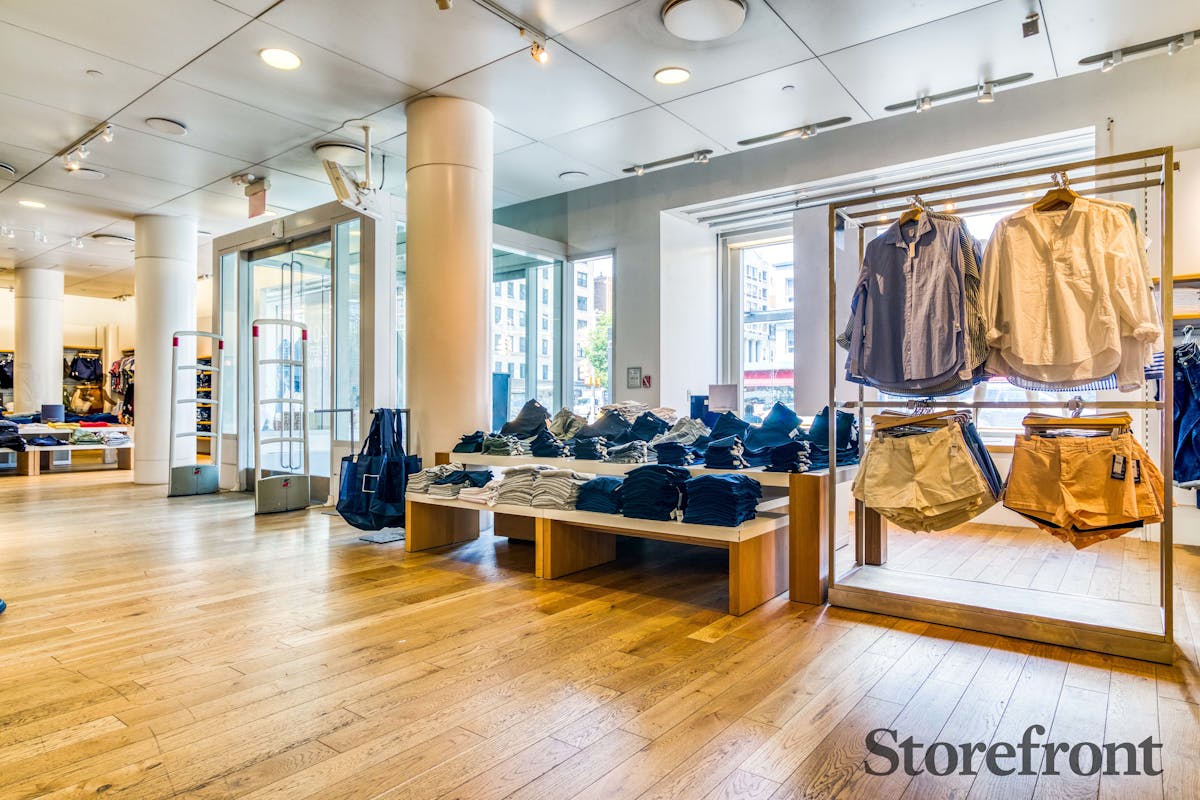
Chelsea concentrates its retail along two principal streets that behave very differently from one another. The King's Road runs well over a mile westward from Sloane Square, offering a long, continuous run of shopfronts with the strongest trade at its eastern end. Sloane Street, by contrast, is short and estate-managed, occupied by international fashion houses. Between the two sits Duke of York Square, a managed courtyard with a Saturday food market, and Pavilion Road, a converted mews let as a run of small independent food and craft units. A shop to let in Chelsea puts a brand in front of a local, deliberate customer base rather than passing foot traffic.
Why Chelsea retail works differently
Chelsea has no Underground station inside the district itself. Sloane Square and South Kensington sit on its edges, so arrival is on foot from the boundary. That changes the trade fundamentally: footfall is lower and better qualified than the raw numbers on a comparable central London street would suggest, because almost every customer has made a deliberate journey. For a brand taking a shop on a lease of three months or longer, this means a loyal, repeat customer rather than an impulse buyer passing through.
London retail units are small by international standards. Outside the flagship streets, a typical ground-floor shop is a narrow Victorian or Georgian frontage over one or two floors, often with a basement and limited rear access. Brands used to larger floorplates should expect to work vertically rather than horizontally.
Where to find a shop to rent in Chelsea
The King's Road is the primary high street, running the length of Chelsea from Sloane Square westward. It was the centre of London fashion retail in the 1960s and remains a long, mixed run of shopfronts on a wealthy catchment. The eastern end carries the strongest trade, and the character thins noticeably beyond World's End.
Sloane Street connects Knightsbridge to Sloane Square and is one of the two principal luxury retail streets in London. Brompton Cross, where the Fulham Road meets Brompton Road, is a design and interiors cluster with upper-end fashion, quieter than the streets further east. Duke of York Square, off the King's Road, provides a managed open-air retail setting, while Pavilion Road offers small storefront units suited to independent food and craft brands.
Estate ownership and how Chelsea units are let
A large part of Chelsea sits under single estate ownership, which shapes how space appears on the market. Rather than surfacing as gaps between tenants, units are often offered deliberately as part of a curated programme. Duke of York Square and Pavilion Road are both let as managed runs with a controlled tenant mix. Approaching the estate directly is frequently more productive than watching the open market.
This estate model means the landlord has an active interest in who trades alongside whom. For a brand committing to a lease of three months or longer, that curation is a benefit: the neighbours are selected rather than accidental, and the surrounding mix is maintained.
Chelsea postcodes and what they cover
The postcodes covering Chelsea are SW3 and SW10. Postcodes do not follow district boundaries exactly, so a search by code and a search by district name will not return an identical set of addresses. A unit described as being in Chelsea may carry the postcode of a neighbouring area, and vice versa. When searching for a store to let in Chelsea, checking both the postcode and the street is worth the few minutes it takes.
For brands looking at retail space for rent across London more broadly, Chelsea sits in the band between the international flagship streets and the emerging independent districts, offering an established residential catchment with strong spending power.
Seasonal demand and trading rhythm
Demand for retail space in Chelsea follows London's broader calendar. The run-up to Christmas is the peak trading period, with Boxing Day on 26 December opening the winter sale season and delivering one of the highest-footfall trading days of the year. Black Friday, adopted from the American calendar, now marks the start of that Christmas run.
September brings London Fashion Week and the London Design Festival, both of which increase activity across the city. August is the quietest month, when residents leave and local footfall drops. Bank holiday weekends in May and late August bring domestic visitors into central London, and for a Chelsea shop with a lease already in place, those weekends trade well. Brands considering a storefront with apartment may find Chelsea's residential character particularly suited to a combined live-and-trade arrangement over a longer term.
Frequently Asked Questions
What lease lengths are typical for a shop to let in Chelsea?
Leases on Chelsea retail units typically start at three months and run to twelve months or longer. Estate-managed streets and squares may offer structured programmes with set terms, while units on the open market are negotiated individually.
Does Chelsea have its own Underground station?
Chelsea has no Underground station inside the district. Sloane Square and South Kensington sit on its edges, so customers arrive on foot from the boundary. This keeps footfall local and deliberate.
What is the difference between King's Road and Sloane Street for retail?
The King's Road is a long, mixed high street with its strongest trade at the eastern end near Sloane Square. Sloane Street is short, estate-managed and occupied by international luxury fashion houses. They attract different brands and different customers despite meeting at the same square.