Hackney runs on a series of independent high streets rather than a single retail centre. That structure suits a brand looking for a shop to let with a local, returning customer base rather than passing tourist traffic. Its high streets run through E5, E8, E9 and N16, and each trades on its own terms, so choosing Hackney is only the first decision.
Where Hackney's high streets sit
Hackney has no single retail core. Its commercial life is spread across several named roads, each separated by residential streets and each drawing from a different catchment.
Mare Street is the principal high street, running through Hackney Central with a mix of independent retail, food and civic buildings. Broadway Market runs a Saturday market that has become one of the best-attended in east London, and the permanent shops along it trade around that weekly peak. Kingsland Road runs north from the Shoreditch border through Dalston and is the commercial spine of that corridor, with small units and a strong evening economy. Stoke Newington Church Street is a village-scale high street in the north of the borough. Chatsworth Road in Clapton carries independent shops and a Sunday market on a strictly local catchment.
A shop to let on one of these streets serves a different customer from a shop on any of the others, so the street matters more than the postcode.
What Hackney units look like
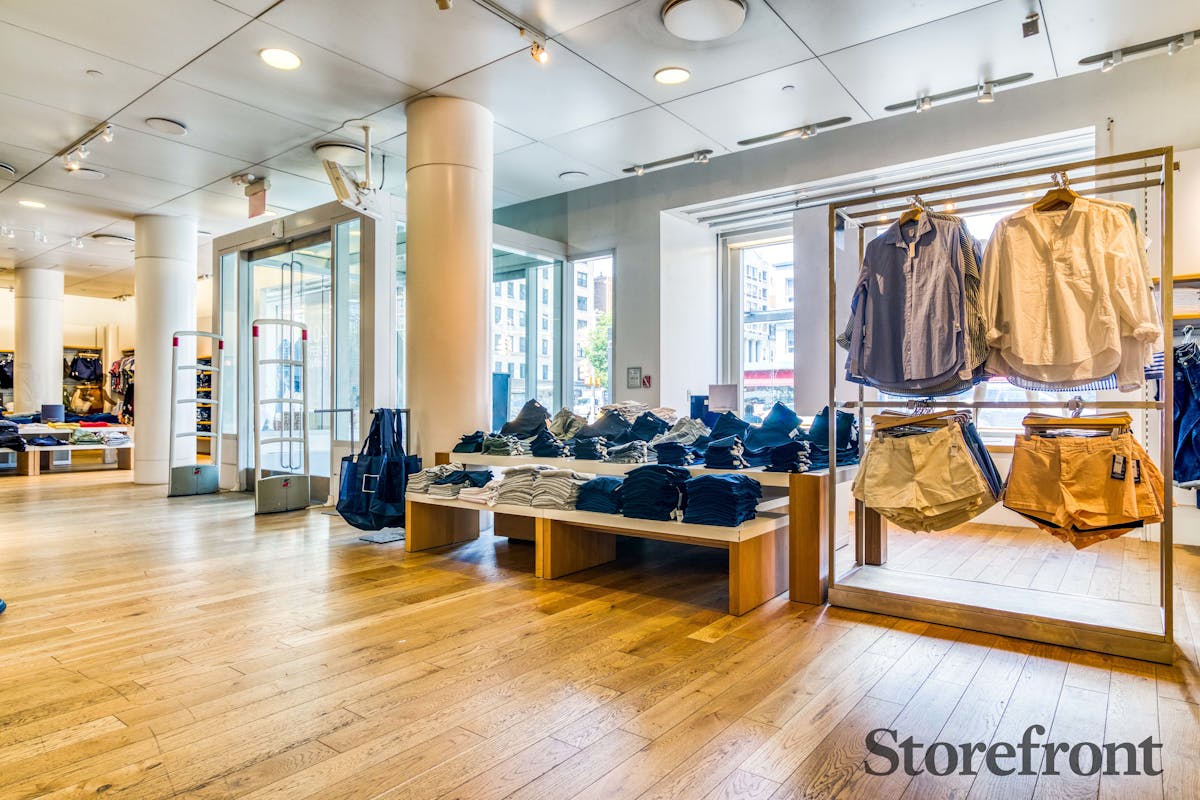
London retail units are small by international standards, and Hackney's stock follows that pattern. Outside flagship streets elsewhere in the city, a typical ground-floor shop is a narrow Victorian or Georgian frontage over one or two floors, often with a basement and limited rear access. Brands used to larger floorplates should expect to work vertically rather than horizontally.
For brands seeking compact premises, a small storefront can be a practical fit on streets where the existing units are narrow and the surrounding retail is independent in scale.
Weekend trading patterns
Several of Hackney's strongest trading days are single weekend days tied to a market. The Saturday market on Broadway Market concentrates a whole week of footfall into a few hours, and the Sunday flower market on Columbia Road, just over the boundary in Tower Hamlets, does the same for the streets around it. The permanent shops along those streets are built around that pattern rather than trading evenly through the week.
London Fields and Netil Market beside it hold a weekend maker and food trade in small units and stalls. For a brand taking a shop to rent in Hackney, understanding which day the street peaks on is as important as the rent.
Local catchment, not passing trade
The busiest station serving the area is Hackney Central, which sits outside the hundred busiest in London. Footfall here is local rather than passing, which suits a destination shop more than one relying on impulse purchases. The customer base is overwhelmingly residential, and the borough's creative, independent identity shapes what sells.
Regent's Canal runs through Hackney, and the towpath has become a continuous pedestrian route. The yards and wharves along it have been converted to studios and retail, adding a secondary layer of foot traffic to the streets near the water.
For a broader view of retail space for rent across other cities and formats, the project hub covers the full range.
Seasonality and timing
Demand for retail space in London peaks around the fashion weeks in February and September, through the run-up to Christmas, and again around the autumn art and design festivals. August is the quietest month across the city. In Hackney specifically, the inversion is sharper: the neighbourhood high streets are at their quietest when residents leave over summer, while central London fills with visitors.
The English school year starts in early September after a six-week break, so late August carries a back-to-school trade and September sees residents return. A brand considering a storefront with apartment may find the live-above-the-shop format practical in a borough where the customer is local and the commitment is measured in months.
Frequently Asked Questions
What postcodes does Hackney cover?
Hackney's retail streets run mainly through E5, E8, E9 and N16, and the borough also takes in parts of N1 and N4. Postcodes do not follow district boundaries exactly, so a search by code and a search by district name will not return an identical set of addresses.
Which Hackney high streets have the strongest weekend trade?
Broadway Market peaks on Saturdays with one of the best-attended markets in east London. Columbia Road, just over the borough boundary in Tower Hamlets, peaks on Sundays around its flower market. The permanent shops on both streets trade around those weekly highs.
How large are typical shop units in Hackney?
Most are narrow Victorian or Georgian frontages over one or two floors, often with a basement. London retail units are small by international standards, and Hackney follows that pattern. Expect to work vertically rather than horizontally.
When is the quietest period for Hackney retail?
August is the quietest month. A large share of residents leave the city, and the neighbourhood high streets lose their core customer. Trade picks up again in September when the school year starts and residents return.
Is Hackney footfall local or tourist-driven?
Overwhelmingly local. The busiest station in the area sits outside the hundred busiest in London, so trade comes from the surrounding residential catchment rather than from visitors passing through.