Mayfair holds the densest concentration of luxury retail, jewellery and art dealing in the country. The district sits within London's W1 postcode and is served by Bond Street, Green Park, Hyde Park Corner, Marble Arch, Oxford Circus and Piccadilly Circus stations, making it accessible from every direction. A shop to let here places your brand alongside established fashion houses, auction rooms and commercial galleries, on streets where tenancy is a statement of positioning as much as a route to sales.
Why take a shop in Mayfair
The London Plan ranks only two areas at the top of its retail hierarchy: the West End and Knightsbridge. Both are described as globally renowned destinations with the highest architectural quality and excellent public transport. Taking a shop to let in Mayfair means occupying one of those two addresses.
The district holds the London salerooms of the major auction houses, which is part of why art and jewellery dealers concentrate here rather than elsewhere in the West End. That adjacency shapes the customer base: the foot traffic on these streets includes collectors, gallery visitors and buyers whose expectations match a premium offer. For a brand ready to commit to several months or longer, the address works continuously rather than around a single event window.
Key streets for retail in Mayfair
Bond Street is two streets: New Bond Street toward Oxford Street and Old Bond Street toward Piccadilly. The southern end holds the highest concentration of jewellers and the highest rents in the country. Established fashion houses, jewellers and art dealers hold flagships on Bond Street and the streets around it, and space is taken for prestige adjacency as much as for footfall.
Mount Street, South Molton Street and Davies Street form the smaller-scale luxury retail streets, behind the flagship frontages. Bruton Street and Conduit Street run east from New Bond Street with a mix of fashion, jewellery and galleries on smaller frontages.
Cork Street and Burlington Gardens hold the densest run of commercial art galleries in London, immediately behind Bond Street. Burlington Arcade off Piccadilly is the oldest covered shopping arcade in London, with very small units. Shepherd Market is a small pedestrian enclave off Curzon Street with very small units, quite separate in character from the flagship streets to the north.
How the new entrance changed access
Bond Street station gained a second entrance on Hanover Square, pulling a large volume of new arrivals into the eastern end of the district and changing the footfall pattern around Oxford Street's western half. For a shop to rent in Mayfair on a longer lease, that shift matters: units on the eastern streets now see through-traffic that previously stayed on the Oxford Street corridor. Oxford Circus remains among the fifteen busiest stations in London by annual entries and exits, and that volume feeds directly into the northern edge of the district.
Units and frontages to expect
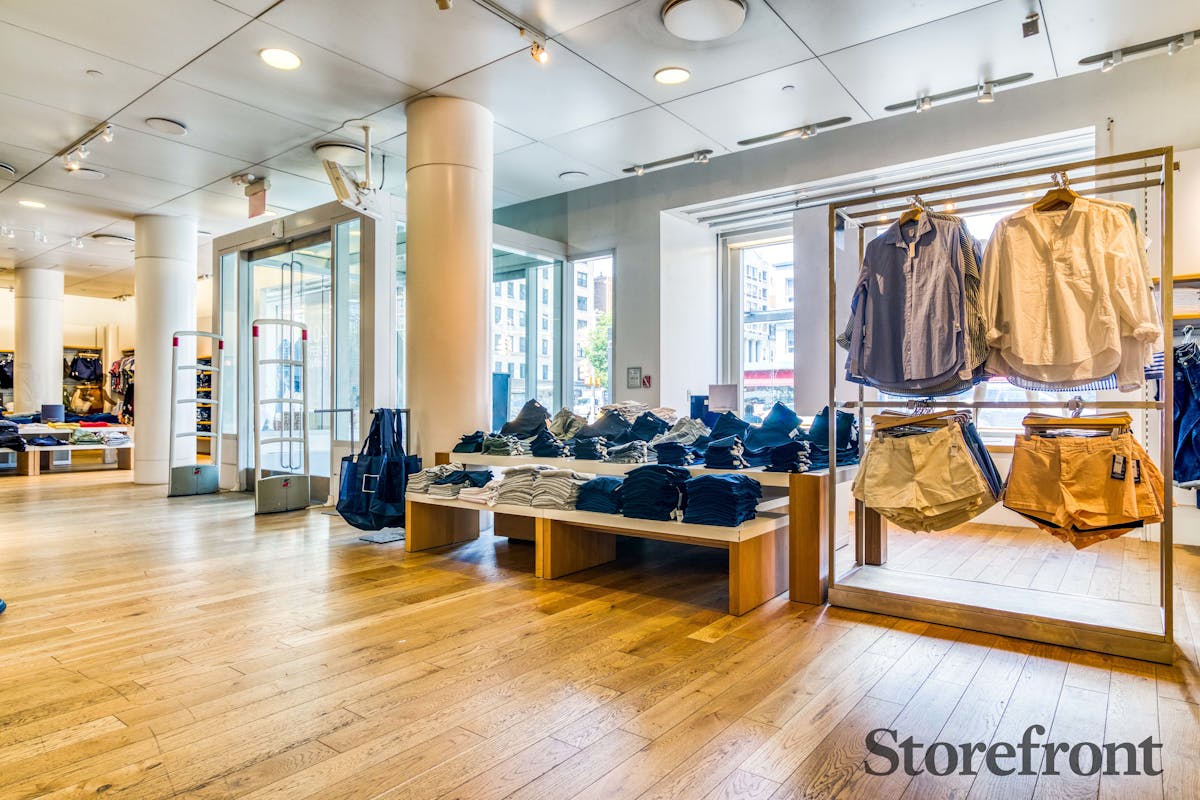
London retail units are small by international standards. Outside the flagship streets, a typical ground-floor shop is a narrow Georgian frontage over one or two floors, often with a basement and limited rear access. Brands used to larger floorplates should expect to work vertically rather than horizontally. That suits the Mayfair market: the Georgian and Victorian buildings across the district lend character, and a small storefront on a secondary street can trade effectively when the surrounding retail draws the right customer.
Much of central London is owned by a small number of large estates, and several of the best-known retail streets sit almost entirely under single ownership. On an estate-managed street the tenant mix is curated, and lettings go through the estate rather than the open market. That structure shapes what is available and how quickly it moves.
Seasonal demand and timing
Demand for space in Mayfair peaks around London Fashion Week in February and September, through the run-up to Christmas, and again around the autumn art and design festivals including Frieze London in October. London Fashion Week is the shortest and most designer-led of the four major fashion weeks, and showroom demand concentrates in Mayfair among other districts. Frieze London and Frieze Masters draw international collectors and fill gallery and retail space across the area for the week.
Black Friday marks the start of the Christmas trading run, and Boxing Day on 26 December opens the winter sale period, one of the highest-footfall trading days of the year. A store to let in Mayfair on a term of several months captures multiple peaks rather than a single weekend. Browse available retail space for rent to compare options across commitment lengths and formats, including units with a connected apartment for brands that need on-site accommodation during a longer stay.
Frequently Asked Questions
What types of shop are available to let in Mayfair?
Units range from very small arcade spaces in Burlington Arcade and similar covered passages to larger ground-floor frontages on Bond Street, Mount Street and the surrounding streets. Many sit within Georgian buildings and trade across two floors with basement storage.
How long are typical lease terms for a Mayfair shop?
The listings on this page are available on terms from three months up to twenty-four months. This suits brands establishing a sustained retail presence rather than a brief activation.
When is the busiest period for retail in Mayfair?
The strongest trading windows run around London Fashion Week in February and September, through the Frieze art fairs in October, and across the Christmas season from Black Friday through Boxing Day. August is the quietest month.
How well connected is Mayfair by public transport?
The area is served by Bond Street, Green Park, Hyde Park Corner, Marble Arch, Oxford Circus and Piccadilly Circus stations. Bond Street station gained a second entrance on Hanover Square, increasing arrivals into the eastern side of the district.