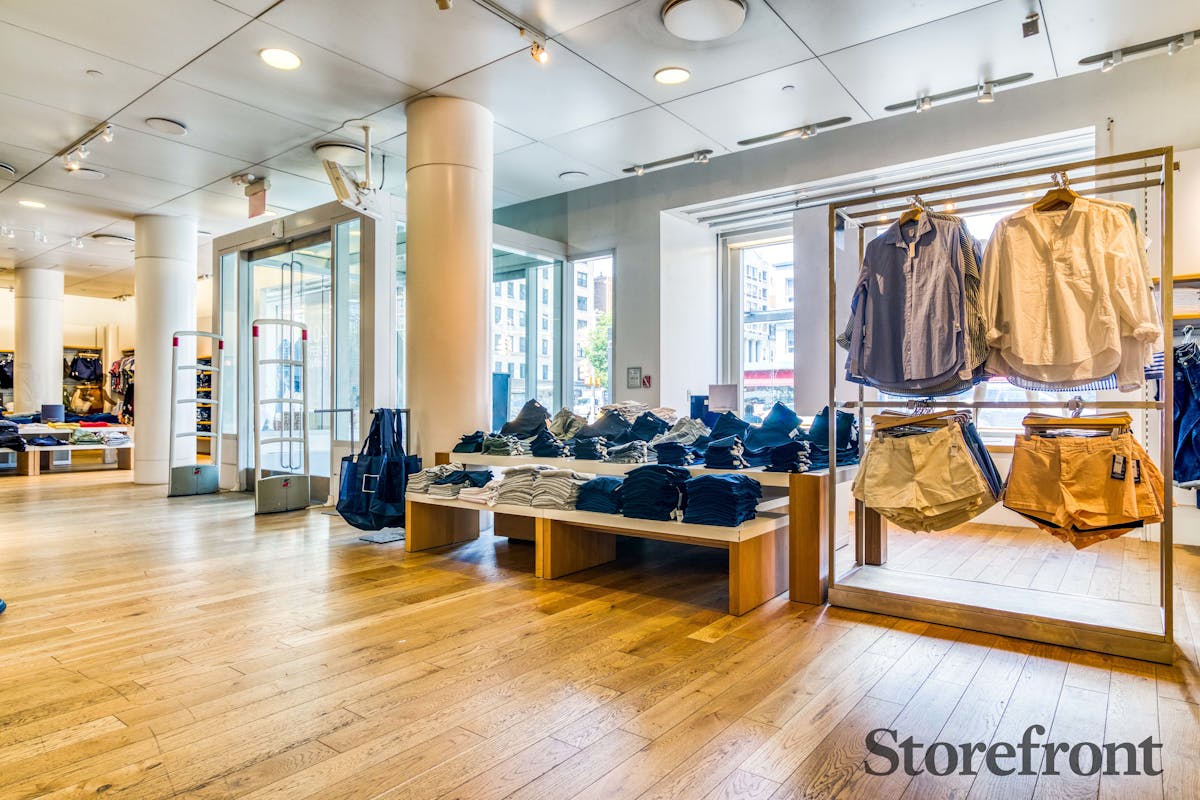
Taking a shop to let in Marylebone means trading in a district that has been kept deliberately different from the retail concentration to its south. Marylebone High Street and Marylebone Lane sit under single-estate ownership, and that management is what keeps the tenant mix independent-leaning rather than chain-dominated. Beyond the High Street, streets such as Chiltern Street and the food cluster around Moxon Street offer smaller frontages at a village scale that suits brands looking for a considered, longer-term presence in central London.
What Makes Marylebone a Distinct Retail Address
Marylebone sits in the W1 postcode, a few minutes from Oxford Street, yet the character of its retail is entirely its own. Marylebone High Street and Marylebone Lane are managed by a single estate that curates the tenant mix on purpose, which is why independent labels and specialist retailers sit here where they would be priced out elsewhere in the West End. The Portman Village pocket around Seymour Place offers a second managed retail run, smaller and quieter, let by a separate estate. Baker Street and Wigmore Street carry larger-format office and retail frontage, while the streets behind them operate at a genuinely village scale: short runs, narrow Victorian and Georgian frontages, and the kind of foot traffic that comes from residents and professionals rather than tourists passing through. The eastern side of the district, around Harley Street and Wimpole Street, draws a steady professional daytime population with time between appointments, which behaves differently from the High Street catchment a few streets west. For a brand looking for a Retail Space For Rent in central London with genuine neighbourhood character, Marylebone is one of the few places where that is available within the Central Activities Zone.
Streets and Formats Worth Knowing
Units in Marylebone are small by the standards of the flagship shopping streets. The typical ground-floor shop here is a narrow Victorian or Georgian frontage, often across one or two floors with a basement, and brands should plan to work vertically rather than horizontally. Chiltern Street is a short run of independent fashion and instrument shops in distinctive red-brick mansion frontages. Moxon Street and Paddington Street hold a cluster of specialist food traders and a weekly farmers market. These formats suit a small, considered retail operation rather than anything requiring significant width or volume. Because a large share of this area sits under estate management, lettings on the best-known streets go through the estate rather than the open market, and space is offered as a deliberate programme. Units available on Storefront here tend to sit in the managed gaps or in the streets adjacent to the main runs.
Getting There: Transport and Access
Marylebone is well connected across central London, with several stations within walking distance. Baker Street, Bond Street, Oxford Circus, Regent's Park and a number of other stations serve the area, making it straightforward to reach from most parts of the city. Oxford Circus is among the fifteen busiest stations in London by annual entries and exits, which is a useful measure of the through-traffic that ground-floor units in this part of the West End can draw from. For fit-out and delivery, central London's Congestion Charge and the Ultra Low Emission Zone apply to vehicles arriving in the area, so scheduling around those is worth building into any operational plan before committing to a unit.
When to Take a Marylebone Shop
Demand for retail space across central London is not uniform through the year. It peaks around London Fashion Week in September, through the run-up to Christmas, and again during the London Design Festival and the Frieze London period in autumn. The London Design Festival runs across the city each September, with showrooms and installations opening to the public across multiple districts, and Marylebone's independent character means it draws visitors during that period who would not otherwise be in this part of the West End. Frieze London and Frieze Masters, held in The Regent's Park in October, bring gallery and collector activity to the surrounding area. A brand planning a longer commitment should consider how its trading calendar maps against those peaks, since a unit taken in advance of the autumn season has the advantage of being established before the city's busiest retail period begins. August is the quietest month across central London, when a significant share of the city's residents and office workers leave.
What to Consider Before Signing
A shop to let in Marylebone is a commitment of several months upward, and a few things are worth establishing before signing. Many buildings in central London sit within conservation areas or carry listed status, which affects what can be done to the frontage, signage and external lighting. For a brand planning external branding, checking the status of the specific building before committing to a design is sensible. Requirements around use and any local authority consents depend on the specific unit, and are worth confirming before committing. The rateable value of every commercial property in England is publicly searchable by address, which gives an independent reference point alongside any asking rent. For further background on running a retail operation, Storefront With Apartment and the Retail Building Directory Maxi Mall pages offer additional context on how different retail formats are structured.
Frequently Asked Questions
What is the typical unit size for a shop to let in Marylebone?
Units in Marylebone tend to be small by central London standards, reflecting the Victorian and Georgian street pattern of the district. Most ground-floor shops are narrow frontages across one or two floors, often with a basement. Brands used to larger floorplates should plan to work vertically rather than horizontally.
Why does Marylebone High Street stay independent-leaning when Oxford Street is so close?
Marylebone High Street and Marylebone Lane are managed by a single estate that curates the tenant mix on purpose. Because lettings go through the estate rather than the open market, the character is maintained deliberately. That is what keeps the street distinct from the chains a few minutes to the south.
Which streets in Marylebone have retail units available?
The main managed retail runs are Marylebone High Street, Marylebone Lane and the Portman Village pocket around Seymour Place. Chiltern Street and the area around Moxon Street and Paddington Street offer smaller independent-format units. Baker Street and Wigmore Street carry larger-format frontage. Availability depends on what the relevant estate is offering at any given time.
What kind of foot traffic can a Marylebone shop expect?
Marylebone draws a mix of residents, professionals working in the area, and visitors to the High Street. The eastern side of the district, around Harley Street, has a steady professional daytime population. The High Street itself draws shoppers who are specifically choosing it over Oxford Street, which tends to mean a more considered buyer.
Are there seasonal peaks that affect retail in Marylebone?
Yes. Demand across central London peaks in the run-up to Christmas, during London Fashion Week in September, and around the London Design Festival and Frieze London in autumn. Frieze Sculpture runs in The Regent's Park from mid-September to early November, bringing additional visitors to the area. August is the quietest month.