We use cookies and similar technologies to track your activity and improve your experience.
Sort by
Recommended
See on map
Featured

Event Space
∙
Greater London
2,000 sq ft
from £1,992 per day
Featured
5(1)
See on map
Featured
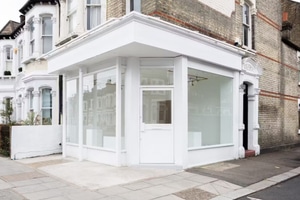
See on map
Featured

Art Gallery
∙
Greater London
600 sq ft
from £1,094 per day
Featured
5(5)
See on map
Fast Responder

Boutique / Shop
∙
Greater London
1,500 sq ft
from £384 per day
Fast Responder
See on map
Top Space

See on map
Fast Responder

See on map
Fast Responder

See on map
Staff Pick

See on map

See on map
See on map
Fast Responder

See on map
Featured

Art Gallery
∙
Fish Island
2,184 sq ft
from £852 per day
Featured
4.92(13)
See on map

Boutique / Shop
∙
South Kensington
1,000 sq ft
from £429 per day
See on map
New

See on map
New

See on map
Fast Responder

See on map

See on map

Shop Share
∙
Greater London
350 sq ft
from £240 per day
See on map

Boutique / Shop
∙
Muswell Hill
248 sq ft
from £72 per day
See on map

See on map
Fast Responder

Unique Space
∙
Greater London
484 sq ft
from £500 per day
Fast Responder
See on map

See on map

Boutique / Shop
∙
Greater London
568 sq ft
from £336 per day
See on map

See on map

Boutique / Shop
∙
Greater London
25,000 sq ft
from £11,400 per day
See on map

Boutique / Shop
∙
Norwood
434 sq ft
from £240 per day
See on map

See on map

See on map

See on map

Boutique / Shop
∙
Greater London
444 sq ft
from £160 per day
5(1)
See on map

See on map
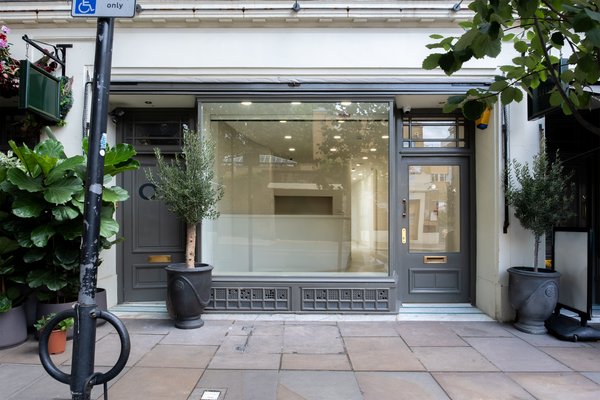
Event Space
∙
Greater London
2,153 sq ft
from £1,200 per day
5(1)
See on map

See on map

See on map

See on map

See on map

See on map

See on map

See on map

Pop-Up Shops for Rent in London
Browse by location: Pop-up shop rental in Covent Garden, London ; Pop-up shop rental in Soho, London ; Pop-up shop rental in Chelsea, London ; Pop-up shop rental in Shoreditch, London ; Pop-up shop rental in Marylebone, London ; Pop-up shop rental in Knightsbridge, London ; Pop-up shop rental in Belgravia, London ; Pop-up shop rental in Mayfair, London ; Pop-up shop rental in West End, London ; Pop-up shop rental in Notting Hill, London ; Pop-up shop rental in South Kensington, London ; Pop-up shop rental in London Bridge, London ; Pop-up shop rental in Victoria, London ; Pop-up shop rental in Hackney, London ; Pop-up shop rental in Camden, London ; Pop-up shop rental in Dulwich, London ; Pop-up shop rental in Battersea, London ; Pop-up shop rental in King's Cross, London ; Pop-up shop rental in Stratford, London ; Pop-up shop rental in Bond Street, London ; Pop-up shop rental in Borough, London ; Pop-up shop rental in Fitzrovia, London ; Pop-up shop rental in Canary Wharf, London ; Pop-up shop rental in Dalston, London ; Pop-up shop rental in Fulham, London ; Pop-up shop rental in Richmond, London ; Pop-up shop rental in Bank, London ; Pop-up shop rental in Kensington High Street, London ; Pop-up shop rental in Hampstead, London ; Pop-up shop rental in Leytonstone, London ; Pop-up shop rental in West Hampstead, London
Notable events in London:Christmas Festival in London ; Film Festival in London ; Food Festival in London ; Halloween in London ; Mardi Gras in London ; Notting Hill Carnival in London ; Pride Festival in London ; St. Patrick’s Day in London ; Wimbledon in London ; World Naked Bike Ride in London
Famous landmarks in London:Leicester Square in London ; Piccadilly Circus in London ; Royal Museums Greenwich in London ; The British Museum in London ; The London Eye in London
Check our latest articles:
7 Case Studies That Prove Experiential Retail Is the Future;What Is a Pop-Up Shop? Definition, Costs & How It Works
A pop-up shop is a temporary retail space rented for anything from a single day to several months. Brands use a pop-up store to test a new market, launch a product or connect with customers without a long-term lease. London is the largest retail market in Europe, and its mix of managed estates, independent high streets, covered markets and gallery-style units makes it one of the broadest cities in the world for short-term retail.
Whether you need a weekend activation in Shoreditch or a three-month pop-up space in Mayfair, Storefront lists available spaces across more than 20 London neighbourhoods. You enquire with your dates, talk directly to the space owner, and confirm the booking on the platform.
Why London for a Pop-Up Shop
London draws a mix of resident, commuter and international visitor footfall that few cities match. The practical reasons brands choose it for temporary retail:
-
The city grades its own retail destinations in law, from International centres like the West End down to District centres, so each address carries a defined catchment
-
An unusual share of central London sits under single-estate ownership, and several of the best-known streets run curated short-let programmes rather than waiting for gaps between tenants
-
Street and covered markets, including Spitalfields, Camden, Portobello and Borough, offer stall and short-let pitches that work as a first physical presence with a commitment of days rather than months
-
The split is consistent: international flagships take Oxford Street, Regent Street, Bond Street and Sloane Street; independent and emerging labels take Shoreditch, Dalston and the smaller Notting Hill streets; and managed estates like Covent Garden, Seven Dials, Carnaby, Marylebone High Street and Coal Drops Yard sit between the two
Pop-Up Space Formats in London
London offers more temporary retail formats than most cities. The format you choose shapes your cost, your audience and your fit-out timeline.
-
Street-level shopfronts: A dedicated frontage with a window display, giving full control of the customer experience. The classic pop-up shop format across Soho, Notting Hill and Chelsea
-
Shop-shares and store-within-store: A section inside an existing retail space. Lower cost, built-in foot traffic, and a route for emerging brands that benefit from an established store's audience
-
Gallery-style open-plan units: White walls, track lighting, flexible layouts. Common in Shoreditch and Notting Hill, suited to fashion presentations, art drops and experiential retail
-
Market stalls and concessions: Lower commitment, high footfall. Camden, Portobello Road, Spitalfields and Borough Market all run stall programmes alongside permanent tenants
London retail units are small by international standards. Outside the flagship streets and managed centres, a typical ground-floor shop is a narrow Victorian or Georgian frontage over one or two floors, often with a basement and limited rear access. Brands used to larger floorplates should expect to work vertically.
For more on how brands have transformed compact London spaces, see Before and After: 5 Stunning Pop-Up Store Transformations in London.
Where to Rent a Pop-Up Store in London
The neighbourhood sets your audience, your price band and your brand context. The areas below are the most active for short-term retail across London.
-
Shoreditch: The highest-demand short-term retail district in London. Former warehouse stock gives wide ground-floor frontage and raw interiors. The customer skews young, and the area trades hardest in the evening and at weekends. The Brick Lane corridor is especially popular for weekend activations, with vintage retail, street food and weekend markets drawing a concentrated crowd. Redchurch Street is the most design-led short run in the area
-
Soho: Dense, small-unit and mixed. Narrow frontages and tight streets suit a compact, characterful pop-up space rather than a flagship. Carnaby Street and its surrounding lanes are managed as a single estate with a tenant mix weighted to fashion and food
-
Covent Garden: A managed retail estate built around the former market building, with very high visitor flow. Seven Dials, Neal Street, Floral Street and Henrietta Street each carry distinct unit sizes and tenant profiles, and much of the district is under single ownership
-
Notting Hill: Affluent and residential, with retail concentrated around Portobello Road, Ledbury Road and Westbourne Grove. Portobello holds the best-known antiques and street market in London, trading hardest on Saturdays
-
Chelsea and King's Road: Wealthy and residential, with retail running the length of the King's Road from Sloane Square westward. No Underground station along it keeps footfall deliberate rather than passing
-
Mayfair: The luxury address of London. Bond Street is the single most expensive retail address in the United Kingdom. Mount Street, Savile Row, South Molton Street and Davies Street each carry a distinct proposition within the same district
-
Marylebone: Village-like despite sitting immediately north of Oxford Street. Marylebone High Street and Marylebone Lane are managed by a single estate that has deliberately kept the tenant mix independent
-
Oxford Street: The busiest shopping street in Europe. Units are large-format, tenants are national and international chains, and space is taken for reach and visibility
-
King's Cross: Rebuilt around the station into a managed mixed-use estate, with a curated retail quarter at Coal Drops Yard let by a single landlord
-
Camden: Market-led with very high visitor numbers, built around the canal and market halls. Small-unit, independent and heavily weekend-weighted
Prices vary by exact location, square footage and season. The Thames divides London commercially: the great majority of retail concentration sits north of the river, and south London trades on its own high streets rather than feeding into the centre.
When to Book a Pop-Up Shop in London
Demand for pop-up store space in London follows a predictable calendar.
London Fashion Week runs twice a year, in February and September, and drives a surge in bookings across Soho, Mayfair and Shoreditch. London Design Festival runs for around nine days each September across design districts including Shoreditch, Clerkenwell, Mayfair and Bankside. Both generate broad demand for short-term retail and showroom space in those areas.
The Christmas trading season, roughly November through late December, is the highest-demand period across every neighbourhood. Boxing Day on 26 December opens the winter sale period and is one of the highest-footfall trading days of the year. Black Friday, adopted by British retail, now marks the start of the Christmas trading run.
Summer brings peak tourist footfall across central London, though neighbourhood high streets outside the centre are quieter because residents leave. That inversion is worth planning around: the right month for a Soho pop-up shop is not necessarily the right month for one in Hackney.
August is the quietest month overall. January, March and early autumn tend to offer more availability and lower rates, which suits brands testing a concept for the first time. The English school year starts in early September, and the first weeks carry a distinct back-to-school trade as residents return to local high streets.
Before you book, it is worth understanding your cover requirements. See Insurance for Pop-Up Shops in London: Key Types of Cover and What to Know for a breakdown of what landlords typically expect.
Browsing Pop-Up Store Rentals on Storefront
Storefront is the world's largest marketplace for short-term retail space. Brands, organisations and individuals rent directly from space owners for pop-up shops, showrooms, galleries and events.
You enquire on the platform with your dates, then talk directly to the space owner to agree the details. The renter pays the rate shown on the listing or the rate agreed with the space owner. Storefront's fee comes out of that amount and is paid by the space owner, so it is not added on top.
Listings are qualified before they go live: the address is real, photographs are present, and the owner is a real, contactable person. Deposits, insurance and cleaning are agreed directly with the landlord and vary by space, duration and activity.
Browse all available pop-up store rentals or start from the London search page to filter by neighbourhood, price and space type.
FAQ
What is a pop-up shop?
A pop-up shop is a temporary retail space rented for a period ranging from a single day to several months. Brands use pop-up shops to test a new market, launch a product, build awareness or connect directly with customers without signing a long-term lease. In London, pop-up shops operate across neighbourhoods from Shoreditch to Mayfair, in formats from street-level shopfronts to gallery-style open-plan units and market stalls.
How far in advance should I book a pop-up space in London?
For peak periods like London Fashion Week or the Christmas season, booking six to twelve weeks ahead is standard. During quieter months such as January or early spring, two to four weeks is often enough. Availability depends on the neighbourhood and the size of space you need.
Can I rent a pop-up store in London for just one day?
Yes. Many spaces on Storefront accept single-day bookings, which are common for product launches, sampling events and brand activations. Daily rates vary by location and space type.
What neighbourhoods suit a first pop-up shop in London?
Shoreditch and Soho are the two most common starting points. Shoreditch offers lower entry pricing and a strong audience for emerging and direct-to-consumer brands. Soho provides a central location, high footfall and proximity to media. Market stalls at Spitalfields, Camden or Portobello Road are another low-commitment route into temporary retail.
Are London pop-up shop units smaller than in other cities?
London retail units are small by international standards. Outside the flagship streets and managed centres, a typical ground-floor shop is a narrow Victorian or Georgian frontage over one or two floors, often with a basement. Brands used to larger floorplates elsewhere should expect to work vertically rather than horizontally.
Why rent a pop-up shop/store in London?
London is the perfect place to organise your pop up store!
London, which draws a crowd eager for trying new products, is full of exclusive pop-up ready venues available for rent from a few days to a couple of months: industrial workshops, old warehouses, apartments etc.
Track lighting? White walls? Wood paneled? Whether you are looking for open spaces or a cozy retail unit, you are guaranteed to find the most ideal venue for the event you are organising on Storefront.
What is a pop-up shop/store?
A pop-up store is a transitory commercial space that can open for a single day or several weeks, even months.
A pop up store rental offers a short term lease in a retail space, and allows you to offer a unique consumer experience, connect with customers, or validate the potential of a London neighbourhood while benefiting from great flexibility.
How much does a pop-up shop/store cost in London?
The cost of a pop-up shop in London varies by location. It also depends on the type of location you’ve chosen – for instance, a physical retail space in central London or High Street will be more expensive than somewhere outside of the downtown core.
On average, the cost of renting a pop-up shop in London ranges from a mere 10 pounds a day to 1000 pounds a day.
How to pick the perfect pop-up shop/store location in London?
To pick the perfect pop-up shop/store location in London, you need to know your customers. Once you know your customer base, you get an idea of where they hang out. For example, if your customer base is teenagers, you want to consider a mall location. Teenagers tend to hang out at the mall with extra pocket cash.
You should also know the amount of foot traffic a location gets. You want a location with higher foot traffic so you have a higher likelihood to sell. When there’s little foot traffic, you’re expected to make less. How much merchandise do you have to sell? The more options you have, the more room you’ll need for your pop-up shop.
Things to consider when choosing a pop-up shop/store venue/location in London
There are a few key elements to consider when finding a pop-up shop venue in London. The first thing to keep in mind is the type of location you want or need. There are different types of locations to choose from for your pop-up store. Two of the biggest types of these locations include the mall and shop shares (or store-in-store locations).
Malls or shopping centres are already attracting customers who have money to spend. Most people go to the mall with the shopping mindset, whether they’re going for a specific item or to look around. Having your pop-up store in their face with this mindset can send them your way to spend money.
Shop shares are a great option if you know a store that sells similar products. Now, you want some differences between your products so there isn’t competition. But there should be enough similarities so that you’re attracting the right customers.
Questions to ask before you book your pop-up shop/store
- What do I need to do to get a business licence?
- What type of insurance does the renter require?
- Does the renter offer a written lease agreement?
- Where does my ideal customer like to shop or hang out?
- Is there access to Wi-Fi so I can accept credit card payments?
- Do I have access to electricity for set-up?
What are the most sought-after locations for renting a pop-up store in London?
Cost, location, foot traffic, and product display settings play an important role when a brand sets up a new pop-up store. If you don't already have a list of loyal clientele, a prime location can make or break your store. London is an international city filled with retail spaces and potential customers. There are currently almost 200 pop-up venues available throughout the city and its surrounding area. Finding the best space for your business is made super easy with Storefront! Some of the most popular areas for pop-up retail in London include Mayfair, Soho, Chelsea, Shoreditch, and Marylebone. Oxford Street in the West End section is the top shopping street in the city, with more than 300 stores. This shopping street has high-end stores and more affordable department stores if you are on a budget. In the very trendy Notting Hill area, Portobello Road Market has provided affordable opportunities with high foot traffic for retailers that started small. Boutiques and showrooms are the standard types of pop-up shops here.
How much does it cost to rent a pop-up space in London?
The most affordable option appears to be shop shares in the city. For as little as £12 a day, pop-up retailers can share a boutique shop space on a ground floor level in Shoreditch. Shoreditch is a trendy and artsy area in East London with many cool coffee shops, galleries, and other retail. So your partial shop area will have plenty of foot traffic. A shop share in Chelsea can cost about £48 per day. Since Chelsea is in central London and has a high-end clientele, you will definitely have access to lucrative sales and foot traffic. On the higher end, you can rent 5,000-6,000 square feet of event space in the Convent Garden area for as much as £16,800 per day. In addition to cheap shop shares and expensive event spaces, there are several mid-range art galleries and ground-floor boutique spaces throughout the city. A 1,000-square-foot pop-up gallery space in Notting Hill or Shoreditch can lease for £960 per day.
What are the benefits of renting a retail store in London for a brand?
Being in a retail space in London gives brands access to numerous opportunities, such as being near their target audience and having the ability to grow their brand at a local level. There are many benefits of renting a retail store in London for a brand. One of the most notable ones is the marketing potential. If you want to be seen as a leading fashion brand, you need to ensure that influencers and bloggers see your product. One of the main benefits of renting a commercial property is that you can effectively target your audience. You can use it as a way to bring in revenue from different places and even sell products. The other benefit is that you can control your space on a day-to-day basis, which means that you have more creative freedom to do what you want. This is great for creative companies or designers who need to work with their materials and think outside the box while at work.
What is the ideal duration to rent a temporary retail space in London?
When it comes to leasing temporary retail space, one of the most important things to consider is the duration. There are different factors to consider, such as the number of hours you would like your space open, your target demographic, and your location. Depending on the type of store you are looking for, one good option is renting a space between six months and one year. This will be enough time to learn whether this type of retail fits your business plan before committing long term. The ideal duration to rent a temporary retail space in London is anything from 4 weeks to a year. But if you're looking for a space that will stay open for much longer, then it's probably not worth renting temporarily.
Useful Tips to make your temporary retail store a success in London
London is a city of change, and we all know that retail space is constantly changing. London's retail landscape is experiencing one of the most significant changes in recent times with the arrival of new brands, new customers, and an increase in spending power. And for this reason, it's vital to get your temporary store up and running quickly without any hitches. To help you get started, here are some valuable tips to make your temporary London store a success:
- Make your temporary London store unique: you can create a unique identity for your temporary store by using adverts and promotional designs.
- Get to know what works: there are many different ways to market your product, so it's essential to understand what will work best before investing in expensive advertising campaigns or graphic design.
When it comes to finding the right pop-up shop or kiosk space for rent in London, the city's diversity of retail environments offers something for every brand and event. Whether you are a small business looking for a short-term retail opportunity or a brand testing the waters before committing to a permanent space, London’s retail landscape has endless possibilities. With Storefront, the leading marketplace for short-term retail rentals, finding the perfect venue has never been easier. From busy shopping streets to cosy neighbourhood locations, Storefront offers thousands of retail spaces globally, including in London, helping you find the best fit for your brand.
Why Choose a Pop-Up Shop in London?
London’s retail environment is ideal for pop-up shops due to its vibrant and varied shopping districts. With high foot traffic areas like Oxford Street, Westfield shopping centres, and trendy spots like Shoreditch and Soho, brands have an opportunity to engage with a diverse and affluent consumer base. A pop-up store allows businesses to test new products, build brand awareness, and create unique, immersive customer experiences. Whether you need a space for a few days or a few months, Storefront makes it easy to rent a space that fits your exact needs. Storefront has thousands of spaces available, and its intuitive search platform allows you to quickly narrow down your options based on location, size, and budget. In addition to this, renting a pop-up space through Storefront gives you access to venues that might otherwise be challenging to secure through traditional real estate channels. Plus, Storefront’s presence in other major global cities means you can easily expand your pop-up ventures internationally.
Prime Locations for Renting Pop-Up Shops in London
London is divided into various retail neighbourhoods, each with its unique charm and advantages. Here are some of the most sought-after locations for pop-up stores in the city:
-
Oxford Street: Known as the heart of London’s shopping district, Oxford Street attracts millions of visitors every year. Its mix of luxury and affordable brands makes it a hotspot for retail, with significant foot traffic ensuring exposure for your pop-up shop. Pop-up shops on Oxford Street often range from sleek, modern spaces to more traditional storefronts, offering flexibility to suit your brand aesthetic.
-
Shoreditch: This trendy, artsy neighbourhood in East London is known for its creative vibe and eclectic mix of boutiques, art galleries, and cafes. If your brand has a more niche or artistic focus, Shoreditch offers excellent opportunities for engaging with a cool, urban crowd. Pop-up spaces here tend to have a more industrial or contemporary feel, with many converted warehouses and loft-style venues available.
-
Covent Garden: With its elegant architecture and bustling piazzas, Covent Garden is a magnet for both tourists and locals. Pop-up shops in this area benefit from high foot traffic, especially near the famous market and Royal Opera House. The mix of independent retailers and global brands makes it an ideal location for fashion, food, and experiential retail pop-ups.
-
Soho: Known for its vibrant nightlife and entertainment scene, Soho is also a fantastic spot for pop-up stores, especially those targeting a young, trendy audience. The area is home to many fashion, beauty, and lifestyle brands, and its lively streets ensure plenty of visibility for any pop-up venture.
-
Westfield Shopping Centres (Shepherd’s Bush & Stratford): Renting a stall or pop-up shop in Westfield offers an excellent opportunity for exposure within one of Europe’s largest shopping centres. These spaces are perfect for brands looking to reach a wide audience, including families, tourists, and local shoppers. Westfield is particularly appealing for kiosk rentals and short-term retail ventures due to its consistent foot traffic and modern, flexible retail spaces.
What Type of Pop-Up Shop is Right for Your Brand?
There are several types of pop-up shop formats to consider when renting a space in London, each offering different advantages depending on your needs:
-
Kiosk Spaces: Perfect for small businesses or brands looking for high visibility with a limited product offering. Kiosks in locations like Westfield shopping centres provide excellent exposure at an affordable price, making it easy to engage with a large number of potential customers.
-
Standalone Pop-Up Stores: Renting a full retail unit allows for more flexibility in terms of layout and design, giving brands the opportunity to create a fully immersive retail experience. Whether you’re looking for a small shop to rent in Shoreditch or a larger space in Soho, standalone units give you control over how your brand is presented.
-
Shop-in-Shop Concepts: This is an excellent option for brands looking to partner with established retailers. A shop-in-shop lets you rent a section of a larger store, allowing you to benefit from their foot traffic and customer base while keeping costs lower than a full retail unit.
How to Rent the Perfect Pop-Up Shop with Storefront
Finding the perfect pop-up shop or kiosk space for rent in London has never been easier thanks to Storefront. Here are some steps to help you secure your ideal venue:
-
Define Your Needs: Start by considering your budget, the size of the space you need, and the duration of your rental. Whether you’re looking for a small shop to rent near you or a larger, more prominent venue, Storefront allows you to filter your search based on your specific requirements.
-
Consider Location and Foot Traffic: Choose a location that aligns with your target audience. If you’re targeting tourists and high-end shoppers, areas like Oxford Street, Covent Garden, or Mayfair may be ideal. For more niche markets, Shoreditch or Camden might be a better fit. Storefront’s platform makes it easy to compare locations based on foot traffic, demographic, and proximity to transport hubs.
-
Review Amenities: Ensure the space you choose has all the necessary amenities, such as Wi-Fi, electricity, and display options. Storefront listings provide detailed descriptions of each venue, making it simple to understand what is included in the rental.
-
Book with Confidence: Once you’ve found the perfect space, you can book directly through Storefront’s platform. The transparent pricing and flexible rental terms make it easy to secure your venue without hidden fees or long-term commitments.
Why Choose Storefront for Your London Pop-Up Shop?
With thousands of retail spaces available worldwide, Storefront has established itself as the go-to platform for short-term retail rentals. In London alone, Storefront offers a vast range of spaces, from small kiosk rentals to large pop-up event venues. Here are some of the benefits of using Storefront to find your pop-up shop:
-
Global Reach: Whether you’re looking for a space in London, Paris, New York, or Tokyo, Storefront’s global platform gives you access to premium retail spaces in major cities across the world.
-
Flexible Terms: Storefront offers flexible rental agreements, so you can rent a space for as little as a day or as long as several months. This flexibility is ideal for brands testing new markets or launching short-term retail activations.
-
Curated Listings: Storefront’s team curates the best retail spaces, ensuring that each listing meets high standards in terms of location, amenities, and aesthetic appeal.
-
Supportive Team: Storefront’s support team is there to assist you every step of the way, from finding the right space to ensuring a smooth rental process.
Conclusion
Renting a pop-up shop in London is an excellent way to grow your brand, engage with customers, and test new products in one of the world’s leading retail cities. With so many options available, Storefront is your best resource for finding the perfect retail space. Whether you’re looking for a small shop to rent near you or a prime location on Oxford Street, Storefront has the tools and expertise to help you succeed.


