

Introduction: Why London Is the Best City for a Pop-Up Shop
Setting up a pop-up shop in London has become one of the most effective ways for brands to build visibility, create meaningful customer interactions, and test retail strategies without the long-term commitment of a traditional lease. London remains one of the world’s most influential retail capitals — a city where trends take shape, customers seek new experiences, and brands of every size compete for attention.
For many businesses, selling online is an excellent way to scale. But digital channels only go so far. You can’t always see how customers react to your products, what questions they ask, or which items they naturally gravitate towards. A physical space gives you what ecommerce can’t: genuine human connection.
At the same time, opening a permanent shop, especially in London, can be expensive and risky, in particular if you’re still figuring out where your audience is or how your product will perform in a brick-and-mortar environment. A pop-up shop bridges the gap. It lets you:
- Test ideas with minimal risk
- Meet customers in person
- Build brand loyalty through real, memorable experiences
- Trial different neighbourhoods before committing
- Turn unused stock into revenue
- Understand what works (and what doesn’t) before scaling
Whether you’re exploring experiential retail in London, planning your first temporary activation, or searching for the perfect space, this guide will take you through every step of how to do a pop-up store in London — from concept to compliance, budgeting, marketing, and beyond.
Throughout the guide, you’ll also find links to relevant Storefront pages and articles so you can browse real spaces as you plan. For example, if you want to get a sense of retail availability in some of London’s most iconic neighbourhoods, you can explore areas such as Soho retail spaces, Covent Garden or Shoreditch as you read.
Why Launch a Pop-Up Shop in London?
Although this guide is written with the wider UK market in mind, the reality is that London is where the majority of pop up activity happens. It’s the country’s retail powerhouse — a place where footfall, tourism, and cultural diversity converge to create opportunities almost every week of the year.
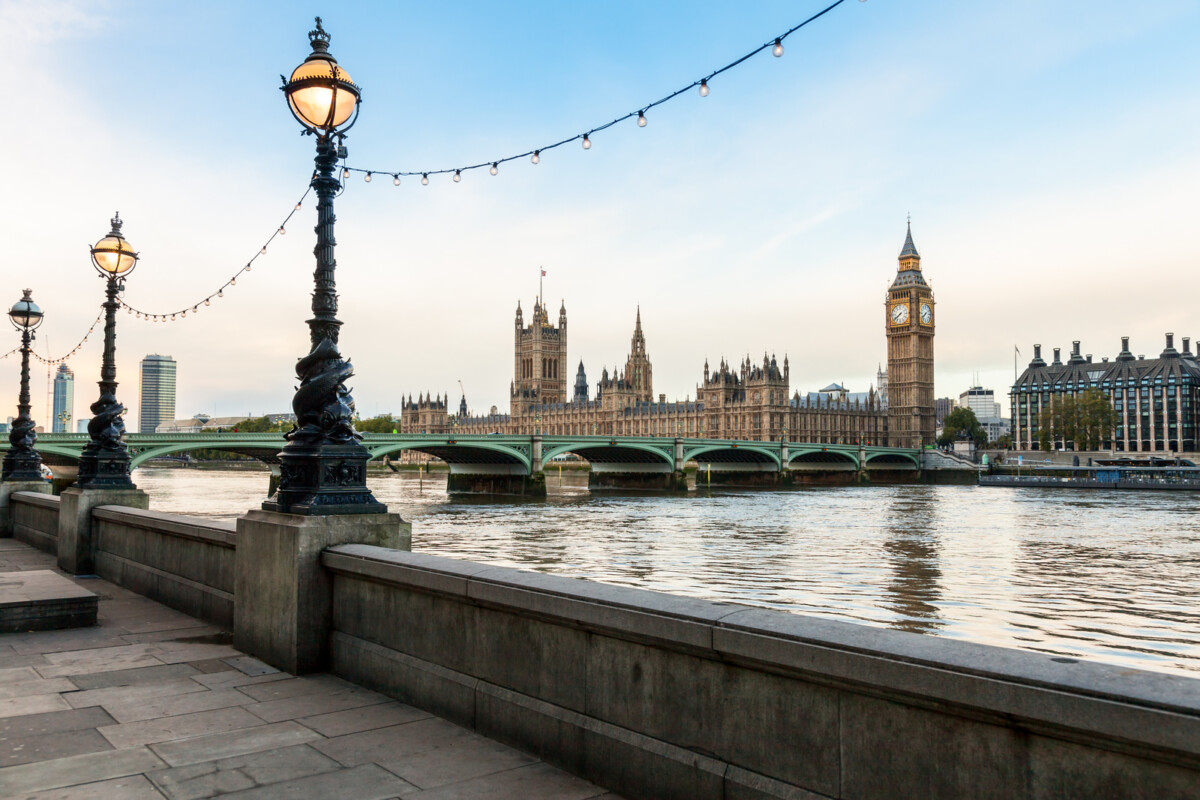
1. London’s shoppers still love physical retail
Even as ecommerce grows, customers continue to value in-person shopping for discovery and connection. A recent IBM study found that a significant majority of shoppers still prefer buying certain items in-store. London’s high streets remain vibrant, with shoppers expecting — and actively seeking — newness and experience-led retail.
2. London neighbourhoods each offer something different
Pop-up success often depends on choosing the right area. London offers variety like nowhere else:
- Soho is known for fashion, culture, and high-energy retail — ideal for brands wanting buzz and constant footfall.
- Covent Garden blends premium retail with tourism and experiential moments.
- Shoreditch is the city’s heart of creativity, ideal for emerging designers, lifestyle brands, and concept-led experiences.
- Marylebone, Mayfair, Chelsea, and Notting Hill appeal to brands targeting premium audiences.
- Camden and Hackney are hotspots for alternative, youth-led, community-oriented brands.
For help understanding London’s best neigbourhoods and streets for pop-up shops check out The Best Streets in London for Pop-Up Shops and The Best London Neighbourhoods for a Pop-Up Shop (Ranked).
3. Pop-up shops tap into London’s appetite for novelty
A pop-up shop is temporary — and customers know it. That sense of urgency helps attract footfall, build anticipation, and drive sales. Many London shoppers go out of their way to visit limited-time retail experiences, especially when they involve events, product drops, collaborations or immersive storytelling.
4. It’s a low-risk, high-impact model
Launching a permanent shop in London can require a long lease, high rates, and a major upfront investment. A pop-up, on the other hand, allows you to:
- Test the neighbourhood
- Test the concept
- Test the pricing
- Test the market fit
- Test interest before investing in a permanent location
Brands like Gymshark, Glossier, and countless smaller digital-native brands have shown how effective this approach is. Many of them launched temporary stores in London before committing to longer-term retail.
For more on this check out these two articles: Using Pop-Up Shops to Drive Online Sales (DTC Growth Strategy) and Should You Open a Permanent Store? Using Your Pop-Up Results to Decide.
5. Pop-ups create community
There’s something powerful about meeting customers face-to-face. A pop-up shop gives them a chance to:
- Ask questions
- Touch and try products
- Share their experiences on social media
- Connect emotionally with your brand
These moments help build loyalty in a way digital-only channels simply can’t match.
Types of Pop-Up Shops in London (and How to Choose the Right Format)
One of the strengths of doing a pop-up shop in London is the sheer variety of formats available. From compact retail units to immersive concept spaces and high-footfall market stalls, London offers every kind of temporary retail setup you can imagine. The right choice depends on your goals, audience, brand experience and budget. Below, we explore the formats most commonly used in the city and how they can support your activation.
1. Traditional Retail Pop-Up Shop (Vacant Units)
A standard retail unit is the most recognisable pop-up format — a private, fully enclosed shop space on the high street or within a shopping district. These are ideal for brands wanting control over layout, design, storytelling and the entire customer journey.
London’s most sought-after neighbourhoods include:
- Soho retail spaces — energetic, trend-driven, ideal for fashion, lifestyle and product launches.
- Covent Garden retail units — premium retail and heavy footfall from visitors and locals.
- Shoreditch retail spaces — creative hub for streetwear, art, beauty and lifestyle.
- Marylebone retail spaces — refined, design-led audiences.
- Mayfair retail spaces — luxury, beauty and high-end fashion.
If you want to fully express your brand identity and create a memorable in-person experience, a retail pop-up is often the strongest option.
2. Experiential Retail Spaces
London has become one of the global centres for experiential retail — immersive spaces designed to surprise, entertain or educate visitors. These formats blur the lines between retail, art, installation, performance and digital engagement.
They’re ideal for:
- Product launches
- Limited-edition drops
- Community events
- Interactive product testing
- Brand storytelling
- Live demos or workshops
Neighbourhoods known for experiential retail include:
- Shoreditch and Brick Lane — creative audiences willing to engage deeply with new concepts.
- West End / Oxford Street — high visibility for large-scale, high-energy activations.
- Regent Street — home to global flagship-style experiences.
If you’re considering experiential retail read this article: Experiential Retail in London: How to Build an Immersive Pop-Up Shop.
3. Market Stalls & Shared Retail Spaces
For smaller brands or those just starting out, market-style pop-ups offer a cost-effective way to experiment. Markets, halls and shared retail spaces attract customers looking for discovery, craftsmanship and unique finds.
Consider:
- Camden (Camden retail spaces)
- Hackney (Hackney retail spaces)
- Spitalfields (Spitalfields retail spaces)
Markets are ideal for:
- First-time pop ups
- Handmade products
- Local brands
- Testing pricing or product-market fit
- Weekend-only activations
Shared retail spaces also let you split costs and benefit from collective footfall.
4. Shop-in-Shop (Concessions)
A shop-in-shop gives you a dedicated area inside an existing retailer. This can be a great way to:
- Leverage the host shop’s customer base
- Test your products in a familiar retail environment
- Avoid full fit-out costs
- Trade in premium locations at a fraction of the price
Concessions work particularly well for:
- Beauty and skincare
- Accessories
- Food and beverage sampling
- Homeware
- Fashion brands
These opportunities are often found in established commercial districts like Mayfair’s Duke Street or South Molton Street.
5. Event-Based Pop-Ups
Events across London — from festivals to design fairs, cultural celebrations and gallery nights — offer valuable opportunities for timed pop-up retail. These formats are built around a specific event audience, which can lead to highly engaged traffic.
Ideal for:
- Product launches
- Brand collaborations
- Local maker markets
- Workshops
- Tastings
- Limited collections
- Art-led retail concepts
For event-style pop ups, consider proximity-driven areas such as Shoreditch, London Bridge and South Kensington where footfall from cultural institutions is high.
You can explore availability near these areas via:
6. Mobile Pop-Up Shops (Vans, Trailers & Portable Setups)
Although not as common as fixed retail units, mobile pop ups can be effective for brands that want to bring the retail experience directly to their audience — parks, markets, festivals, or even multi-location tours across the city.
Pros:
- Flexible and self-contained
- Eye-catching
- Ideal for weekend activations and seasonal events
Cons:
- Limited product range
- Weather-dependent footfall
- Often require additional licences
How to Choose the Right Format
When selecting a format for your London pop-up shop, ask:
- What is my goal?
(sales, brand awareness, community engagement, testing a new product) - Who is my audience?
(tourists, locals, fashion-forward shoppers, premium customers) - What kind of experience do I want to create?
(immersive, fast-paced, educational, artistic) - What is my budget?
(market stalls are cheaper; Mayfair units require more investment) - How much space do I really need?
(some brands thrive in intimate spaces; others need room for events)
The good news? London offers every possible option — and Storefront makes it easy to compare formats and neighbourhoods before making a decision.
Planning Your Pop-Up Concept: Goals, Audience, and Experience Design
A successful pop-up shop in London starts long before you sign a licence agreement or arrange your fit-out. The concept stage is where you shape the purpose of your activation, define who it’s for, and decide what kind of experience you want to create. This foundation influences your location choice, budget, layout, staffing, and even your marketing strategy.
Below we outline the essential planning steps every brand should go through before launching a London pop up.
1. Define Your Primary Goal
Every effective pop-up has a clear purpose. This doesn’t need to be complicated — clarity simply helps you structure your decisions.
Common goals include:
- Testing a new product or category
- Growing brand awareness in London
- Building a community through events or workshops
- Increasing online sales via IRL discovery
- Launching a seasonal campaign or collaboration
- Trialling London neighbourhoods before choosing a permanent location
- Creating an experiential retail activation to drive content and social sharing
Your goal shapes everything else — from pop up format to neighbourhood to fit-out. For example, if you’re launching a beauty range and want high-energy footfall, a Soho retail space may suit you better than a quieter area. If you want a premium, design-led setting for a new homeware collection, Marylebone or Chelsea’s King’s Road will align more naturally.
Check out this article: How to Test Your Product or Brand With a London Pop-Up Shop.
2. Understand Your Target Audience
Knowing who you want to reach helps determine where you should be. London’s neighbourhoods differ significantly in demographics, spending habits and cultural influence.
For example:
- Shoreditch attracts younger, creative consumers interested in independent brands, streetwear, lifestyle, and sustainability.
→ Explore Shoreditch retail spaces. - Covent Garden draws premium shoppers, tourists, and brands that rely on strong visual merchandising and theatrical retail.
→ Explore Covent Garden spaces. - Mayfair and Belgravia appeal to luxury customers, ideal for high-end fashion, jewellery and beauty launches.
→ Explore Mayfair retail spaces and Belgravia retail spaces. - Camden is known for alternative, music-led and craft-focused audiences — great for handmade or youth-driven brands.
→ Explore Camden retail spaces.
Mapping your customer to the right neighbourhood increases footfall quality and improves your conversion rate.
3. Shape Your Core Concept
A pop-up shop is rarely just “a shop”. At its best, it’s a short-lived experience that sparks curiosity, creates a story, and encourages people to talk about it.
Think about:
- What makes your brand different?
- Why should someone choose to visit your pop-up instead of shopping online?
- What problem do you help them solve?
- What experience will they remember afterwards?
Your concept might be:
- A discovery boutique for a new product line
- A themed activation tied to a campaign
- A creative studio where customers personalise products
- A workshop-driven community space
- A launch pad for exclusive drops
- A showroom for press and influencers
- A gallery-like experience for artistic or design-led brands
London shoppers respond particularly well to immersive or interactive setups — think of places like Glossier’s early activations in Covent Garden or experiential events in areas like Shoreditch and Spitalfields.
4. Plan Your Product Mix and Merchandising Strategy
Your product selection determines your layout, inventory planning, and staffing needs.
Consider:
- Which products perform best online?
- Which items are most tactile or experiential?
- Do you want to showcase everything or create a curated edit?
- Will you offer London-only exclusives?
Many brands find success by launching limited editions or exclusive bundles available only in their London pop-up shop. This creates urgency and boosts both footfall and average order value.
5. Design the Experience (Even for Small Budgets)
Your fit-out doesn’t have to be extravagant. Even simple, thoughtful design goes a long way in London, where shoppers value authenticity and creativity.
Think about how you want customers to feel when they enter. Then plan:
- The flow of the space (entry, try-on areas, displays, checkout)
- Lighting and sound
- Photogenic “moments” (helpful for social sharing)
- In-store signage and storytelling
- Product testing or demo zones
- Seating or community areas
- Storage and back-of-house needs
If you want to keep costs manageable, look for spaces already equipped with lighting, shelving, or gallery-style walls. Many retail units in Shoreditch, Soho or Battersea come pre-fitted, saving days of build time.
For help designing your pop-up store read: How to Design a Pop-Up Shop: Layout, Lighting & Visual Merchandising Tips.
6. Map Out Your Conversion Journey
Consider all the ways a visitor might convert:
- Buying an item
- Joining your mailing list
- Following your social channels
- Attending an event
- Booking a service
- Sharing the experience online
Your pop up doesn’t have to be sales-first. For some brands, it’s more valuable to collect qualitative insight, content, or newsletter signups.
Plan call-to-actions that feel natural and helpful, not forced.
7. Prepare Your Timeline
Planning, negotiating, designing, staffing and marketing take time. Most brands need 4–12 weeks from the initial idea to opening day, depending on scale.
Typical timeline:
- Week 1–2: Concept + goals
- Week 2–4: Location search + viewing spaces
- Week 4–6: Signing the licence + planning fit-out
- Week 6–8: Marketing strategy + pre-launch campaign
- Week 8–12: Build, stock-in, training staff, open
Planning ahead avoids last-minute costs and helps you make the most of your London opportunity.
Budgeting for a London Pop-Up Shop: Realistic Costs & Financial Planning
London is one of the world’s most exciting retail capitals — but it’s also one of the most expensive. A well-planned budget helps you stay in control, avoid surprises, and ensure your pop-up delivers a strong return. The good news is that running a pop-up shop in London is still significantly more affordable and flexible than committing to a long-term lease. You simply need clarity on the costs before you begin.
Below is a detailed breakdown of typical expenses, plus practical advice on what to expect and how to stay financially prepared.
1. Core Pop-Up Costs in London
Actual pricing varies by neighbourhood, size, and duration, but these general benchmarks reflect what most brands encounter.
A. Rent
London rental prices depend heavily on the area. Rough guidance:
- Market stalls or shared spaces: £200–£500 per week
- Standard high street locations: £1,000–£3,000 per week
- Premium central London spots: £5,000+ per week (e.g., Covent Garden, Soho, Mayfair)
Prices may vary, but the pattern is consistent: higher footfall and cultural influence usually equal higher rent.
To explore your options:
- Soho retail spaces for fashion and lifestyle
- Shoreditch for creative, design-led brands
- Chelsea or King’s Road for premium homeware, beauty and fashion
- London Bridge for commuter and tourist traffic
Further reading: How Much Does It Cost to Run a Pop-Up Shop in London? (Budget Guide).
B. Fit-Out, Décor, and Signage
Pop-ups don’t require a full refurbishment, but even minimal design work adds up.
Typical ranges:
- Small, simple fit-out: £500–£1,000
- Moderate bespoke design: £1,500–£3,000
- Immersive or experiential concept: £5,000+
Ways to save:
- Choose a space with existing fixtures or gallery-style walls (common in Shoreditch, Soho, Battersea)
- Use modular shelving you already own
- Focus on one strong “brand moment” over a full redesign
C. Insurance For Pop-Up Stores In London
Short-term retail insurance is relatively affordable:
- Public liability + product liability: £100–£300
- Employer’s liability: required if you hire staff
- Stock and equipment insurance: varies by inventory value
Insurance is a legal requirement for most pop-up agreements, so factor it into your planning from day one.
D. Licences & Permits
Not all pop-ups need additional licences, but some formats require permits depending on your activity.
Possible costs:
- Street trading licence (markets): £50–£100+
- Temporary Event Notice (alcohol or entertainment): ~£21
- Food business registration (free, but must be done 28 days in advance)
- Music licences (if playing tracks beyond ambient use)
The majority of traditional indoor pop-ups operate under a Licence to Occupy, which is included in your rental agreement on Storefront.
Have a read of these two articles for better understanding of what some of the above costs may be:
Pop-Up Shop Insurance: What Cover You Need & How to Choose It
UK Pop-Up Shop Regulations: Licences, Permits & Legal Requirements
E. Marketing & PR
Even if your pop-up is in a high-visibility location, you’ll need a marketing push to create momentum.
Estimated budgets:
- Social ads: £100–£300
- Flyers or posters: £30–£60
- Influencer collaborations: varies widely (£100–£1,000+)
- Content creation: £200–£500
Many brands run lean, relying on Instagram, TikTok and email lists to build excitement.
Further reading: How to Promote Your Pop-Up Shop in London: The Complete 2025 Playbook
F. Staffing
If you’re not running the shop yourself, consider:
- Retail assistants: £12.21+ per hour (London living wage may apply)
- Supervisor or manager: £14–£18 per hour
- Temporary event staff: often £120+ per day
Staffing can be one of your biggest variable costs, particularly for longer activations.
2. Hidden or Easily Overlooked Costs
Pop-ups are flexible, but they do come with operational expenses. These don’t always appear on upfront quotes, so it’s important to plan for them.
A. Utilities
Electricity, heating and Wi-Fi aren’t always included in your rent. Clarify with the landlord.
B. Cleaning & Waste Removal
Some buildings expect you to arrange your own cleaning or end-of-tenancy waste removal.
C. Inventory Transport
If you’re bringing stock from outside London, factor in:
- Couriers
- Van hire
- Storage (short-term or offsite)
D. Payment Processing Fees
Card fees typically range from 1.5–2.5%.
This adds up quickly in high-volume pop-ups.
E. Unexpected Extras
These are the items brands most often forget:
- Replacement POS cables or chargers
- Extra hangers, rails, baskets
- Last-minute signage
- Additional staff cover
- Emergency stock replenishment
To stay safe, set aside a 10–15% contingency fund.
3. Understanding Your Break-Even Point
A pop-up shop’s performance should be measured properly, not guessed. Work out:
Break-even = Total pop-up costs ÷ Average order value
Example:
- Total pop-up cost (all in): £7,500
- AOV: £50
- Break-even sales volume: 150 orders
If you think your footfall and conversion rate can achieve this comfortably, your pop-up is on track.
4. Pricing Strategy: Build Margin Into Your Physical Retail
Your pricing should cover:
- Cost of goods
- Staff time
- Fit-out costs
- Overheads (rent, utilities, insurance)
- Payment fees
- Profit margin
When brands underprice to “be competitive,” they often erode their physical retail profitability. London pop-up shoppers aren’t only looking for deals — they’re looking for experiences, exclusivity and thoughtful storytelling. Your pricing should reflect that.
5. Keep Budgeting Simple (But Strict)
To keep your finances under control:
- Use a separate business bank account
- Track all expenses daily
- Compare projected vs actual sales
- Adjust stock orders based on demand
- Keep digital copies of all receipts for HMRC
Remember: it’s normal for pop ups to start slowly and build momentum throughout the activation, especially once customers begin posting online.
Further reading: How Much Does It Cost to Run a Pop-Up Shop in London? (Budget Guide).
For tips on how to budgeting read: How to Budget, Track & Manage Money During Your Pop-Up Shop.
How to Choose the Right Location for Your London Pop-Up Shop
Location is the single biggest factor influencing the success of any London pop-up shop. Even with the best concept and product range, the wrong neighbourhood or the wrong street can limit footfall, reduce conversions, and make it harder for your brand to cut through. London is a patchwork of micro-districts — each with its own personality, shopper profile, spending power and rhythms of foot traffic.
Choosing the right location isn’t about what’s popular in general — it’s about what’s right for you, your audience, and your goals. This section walks you through how to evaluate neighbourhoods, what to look for during viewings, and how to make a confident, strategic choice.
1. Start With Your Audience (Where Are They?)
London is not a one-size-fits-all retail environment. Your target audience should guide your search from the very beginning. Consider:
Soho — for fast-moving fashion, lifestyle, and trend-led brands
If your audience is creative, fashion-forward, or plugged into cultural moments, Soho offers high-impact footfall and constant energy.
→ Explore Soho retail spaces.
Covent Garden — for premium retail and experience-led concepts
Ideal for brands that rely on strong visual merchandising or experiential storytelling, with a mix of locals, office workers, and tourists.
→ Explore Covent Garden retail spaces.
Shoreditch — for emerging designers, streetwear, community-led brands
A hub for creatives, early adopters and independent culture. Great for experiential retail in London.
→ Explore Shoreditch retail spaces.
Mayfair / Marylebone — for refined, high-spend customers
Luxury fashion, beauty, homeware, and premium lifestyle brands do particularly well here.
→ Explore Mayfair retail spaces and Marylebone retail spaces.
Chelsea & King’s Road — for sophisticated fashion and design
A favourite for premium brands seeking polished, elegant retail moments.
→ Explore Chelsea retail spaces and King’s Road spaces.
Camden & Hackney — for alternative, youth-led, cultural brands
Perfect for independents, makers, street culture and niche communities.
→ Explore Camden retail spaces and Hackney retail spaces.
A pop-up works best when your customers say: “This feels like exactly the right place for them.”
2. Analyse Foot Traffic (Not Just “Busy,” But “Relevant”)
Footfall is crucial — but what matters most is the right footfall.
When viewing a potential location:
- Visit at different times of day (morning, lunch, evening)
- Check weekday vs weekend behaviour
- Observe who is walking past — does the demographic match your customer?
- Note how quickly people move — are they browsing or rushing?
- Check visibility from the pavement — can you be seen from a distance?
- Count how many people enter neighbouring shops
A spot can feel busy but still underperform if the passersby don’t match your audience’s interests or spending power.
3. Understand the “Micro-Location”
Sometimes, a shift of just 30 metres can completely change visibility and performance. Pay attention to:
- Whether you’re on a main street or down a side road
- What’s next door — anchor brands help
- Whether you’re near a tube station or bus route
- If there are cafés or gathering points nearby (captive audience)
- Whether the shop front allows window displays
- Direction of footfall (e.g., towards offices, theatres, markets)
Micro-locations especially matter in districts like Soho, Shoreditch, and Covent Garden where crowds move in concentrated flows.
4. Consider the Neighbourhood “Purpose”
Different districts serve different consumer missions:
- Soho: browsing, fashion discovery, entertainment, impulse purchasing
- Mayfair: planned visits, luxury purchasing, personal shopping
- Shoreditch: inspiration, creative curiosity, community participation
- Covent Garden: theatrical storytelling, premium gifting, brand experience
Match your concept to the area’s natural rhythm.
5. Evaluate the Space Itself
During a viewing, look for:
A. Natural Light & Ceiling Height
Light affects everything — mood, photography, displays and how spacious a shop feels.
B. Power Points & Connectivity
Where will your POS sit? Can you run lighting or displays? Is there Wi-Fi?
C. Back-of-House Space
Stock, packing materials, bags and personal belongings all need to go somewhere. Many pop-up newcomers underestimate this.
D. Ventilation & Temperature
Particularly important for beauty brands, food, or spaces with large crowds.
E. Existing Fixtures
Shelving, rails, counters, gallery walls — these can significantly reduce fit-out costs.
If you want to minimise design costs, explore areas like Shoreditch and Battersea where many units are already fitted out.
6. Check Practical Considerations
Before committing, confirm:
- Storage capacity
- Loading access
- Opening hours
- Security provisions
- Waste management
- Accessibility
- Any restrictions on signage, music or events
In Central London, restrictions around noise and external signage are common — especially in conservation areas like Mayfair and Belgravia.
7. Compare Options With a Clear Framework
You might view multiple spaces across London. To avoid decision fatigue, compare each by:
- Location: audience match + visibility
- Space: size, condition, fit-out needs
- Cost: rent + utilities + staff + fit-out
- Footfall: quantity + quality
- Experience potential: can the space showcase your brand?
- Logistics: stock access, storage, transport
Most brands find that once they run this comparison, one or two locations emerge very clearly as front runners.
8. Use Storefront Tools to Speed Up Your Search
Storefront makes it easy to:
- Search by neighbourhood (e.g., Soho, Shoreditch, Covent Garden)
- Filter by size, amenities, and budget
- Save and compare spaces
- Communicate directly with landlords
- See which spaces are ready for pop-up occupancy
This speeds up the research stage and helps you shortlist locations more confidently.
Start your Storefront journey search here.
For more help in deciding where you want to run your pop-up shop check out these two articles: The Best Streets in London for Pop-Up Shops and The Best London Neighbourhoods for a Pop-Up Shop (Ranked).
Legal Requirements & Regulations for a London Pop-Up Shop
Even though a pop-up shop is temporary, you still need to follow UK legal and safety requirements — especially in London, where councils, landlords and insurers expect proper documentation. The good news is that the legal side of a pop-up is generally more straightforward than a permanent lease. With the right preparation, you can set everything up smoothly and avoid last-minute complications.
Below is a clear breakdown of the key legal, regulatory and compliance steps you’ll need to understand before opening your London pop-up shop.
1. Choose a Legal Business Structure
Before you trade, you must operate under a formal business structure. For most pop-up brands, the options are:
Sole Trader
The simplest structure. You register with HMRC and report your profits through Self Assessment.
- Quick and easy to set up
- Ideal for small or early-stage brands
- Less admin, fewer ongoing reporting requirements
Limited Company
More formal, often seen as more professional by landlords and partners.
- You register with Companies House
- You pay Corporation Tax (instead of income tax on profits)
- Better for brands planning to grow, hire staff or raise investment
For pop ups in premium locations (e.g., Soho, Mayfair, Covent Garden), some landlords prefer to work with limited companies, but this isn’t always required.
2. Understand the Licence to Occupy (Not a Full Lease)
Most pop-up shops in London operate under a Licence to Occupy — a short-term agreement that grants you permission to use a retail space without the long-term obligations of a traditional lease.
A Licence to Occupy typically:
- Lasts from a few days to a few months
- Does not give you security of tenure
- Allows landlords to keep spaces active between long-term tenants
- Keeps costs and admin significantly lower for you
This is the standard arrangement for most Storefront spaces, whether in Shoreditch, Soho, Chelsea or elsewhere in central London.
3. Planning Permission (Do You Need It?)
One of the biggest pop up myths is that you always need planning permission.
In reality:
- Most pop up stores do not require planning permission
- If your activation runs less than 28 days and stays within existing use class rules, you’re usually covered
- Pop ups in Class E spaces (shops, galleries, offices, hospitality) rarely need additional permissions
However, you may need planning approval if:
- You significantly alter the shopfront
- You’re adding external signage or lighting
- You’re changing the use class
- You’re planning a long-term activation
The landlord or venue host will often advise on what is already permitted.
4. Licences & Permits (Depending on Your Activity)
Different pop up formats may require specific licences.
A. Street Trading Licence
Required if you sell outdoors or at markets — common in areas like Camden or Hackney.
B. Temporary Event Notice (TEN)
Needed if you plan to:
- Serve alcohol
- Provide certain entertainment (e.g., live music)
- Run extended-hours events
TENs are quick to obtain but must be applied for in advance. See the City of London guidance here.
C. Food Business Registration
If you handle or serve food or drink, you must register with your local council 28 days before trading.
This applies to everything from snacks to coffee carts.
D. Music Licensing (PRS/PPL)
If you play music beyond basic ambient sound — especially commercial tracks — you may need a licence.
Some landlords already cover this; others expect each brand to register independently.
5. Insurance: Your Safety Net
Insurance is essential, and most landlords will insist on proof before handing over the keys.
You should have:
Public Liability Insurance
Protects you if a customer or passerby is injured in your shop.
Product Liability Insurance
Covers claims related to the products you sell (especially important for beauty, skincare or food).
Employer’s Liability Insurance
A legal requirement if you hire staff — even part-time, temporary or freelance workers.
Stock & Contents Insurance
Protects your inventory and equipment against theft, fire or accidental damage.
Insurance is affordable and quick to set up, but essential for operating responsibly.
Read this for more on insurance and London pop-up shops: Pop-Up Shop Insurance: What Cover You Need & How to Choose It.
6. Health & Safety Requirements
All London pop-up shops must comply with health and safety standards, just like permanent retail stores.
Key obligations include:
- Conduct a basic risk assessment
- Ensure all fire exits and pathways are clear
- Have functioning smoke detectors, extinguishers and fire safety equipment
- Use PAT-tested electrical equipment
- Provide a first aid kit
- Consider crowd management if you expect queues
- Ensure staff are briefed on emergency procedures
If you’re planning experiential elements (e.g., immersive rooms, workshops, product testing), you may need an enhanced safety plan.
7. Accessibility Requirements
Under the Equality Act 2010, you are expected to make reasonable adjustments for disabled customers.
This might include:
- Clear, wide pathways
- Step-free access where possible
- Portable ramps if needed
- Accessible displays and signage
- Staff training on assisting customers
Most London retail units are already accessibility compliant, but it’s still your responsibility to maintain safe access.
8. Data Protection & GDPR
If your pop-up captures customer information — email addresses, competition entries, loyalty programmes, or event RSVPs — you must follow UK GDPR rules:
- Get explicit consent (no pre-ticked boxes)
- Explain what the data will be used for
- Store it securely
- Allow customers to opt out at any time
GDPR compliance builds trust and aligns with best practice for growing your community.
9. Keep Your Documentation Organised
Before opening day, prepare:
- Licence to Occupy
- Proof of insurance
- H&S risk assessment
- Staff training notes
- Any permits (TENs, food registration)
- Public liability documents
- Emergency contact info
- A checklist for daily operations
A well-organised file — even a digital one — keeps your operation running smoothly and reassures landlords that you’re professional.
For tips on the best practises for running a pop-up shop in London read this: How to Run a Pop-Up Shop: Daily Operations & Best Practices.
Payments, Technology & Operations for Your London Pop-Up Shop
A smooth operational setup is one of the biggest predictors of pop-up success. When your technology, payment systems, staffing and daily processes run seamlessly, it frees you to focus on what matters most: meeting customers, telling your story, and optimising sales.
In London — a fast-paced, highly competitive retail environment — small operational details have an outsized impact. Below is everything you need to know to keep your pop-up running efficiently from day one.
1. Choose Reliable Payment Systems
Customers expect frictionless, fast, secure payment options — and London shoppers, in particular, are extremely comfortable with contactless and mobile payments.
Recommended POS solutions for pop-up shops:
- Square (popular for its sleek hardware and ease of use)
- Zettle by PayPal (excellent portability and simple setup)
- SumUp (cost-effective with no complex commitments)
All integrate easily with mobile devices and can process:
- Contactless payments
- Apple Pay
- Google Pay
- Chip & PIN
- QR-based transactions
Pro tip: Always have a backup reader charged and ready. Weekend footfall in areas like Soho, Covent Garden or Shoreditch can be extremely busy, and the last thing you want is downtime.
Further reading: Payment Systems & POS Tools for Pop-Up Shops in London
2. Make Sure Your Connectivity Is Reliable
Wi-Fi in older central London buildings can be unpredictable. Even if your space advertises Wi-Fi, treat this as a helpful bonus — not a guarantee.
Best practice:
- Bring your own portable 4G/5G hotspot
- Test the signal before opening
- Keep your POS devices fully charged
- If the network goes down, have a manual offline card option ready
This is particularly important in neighbourhoods with thick Victorian walls (e.g., Mayfair, Marylebone, Chelsea).
3. Plan Your Inventory & Stock-Back-of-House Layout
Stock management can make or break a pop-up. You don’t want customers browsing an underfilled store — but you also don’t want piles of boxes visible on the shop floor.
Key considerations:
- Does the space offer a stock room?
- Can you store inventory offsite nearby?
- How will restocking work during busy periods?
- Who is responsible for stock counts and replenishment?
Spaces in districts like Soho and Shoreditch often have clever back-of-house layouts built specifically for pop-up use — which can save time and cost.
4. Set Up a Clear Daily Operations Routine
Well-run pop-up shops rely on consistent daily processes. Establish simple checklists for:
Opening:
- Turn on all lighting
- Restock shelves
- Clean high-touch areas
- Test card machines
- Prepare marketing materials (flyers, samples, QR codes)
- Check window displays
- Brief the team
Throughout the Day:
- Replenish popular items
- Keep the shop tidy
Manage crowds if necessary - Track top-selling items
- Respond to DMs or online questions about opening hours
Closing:
- Empty tills and reconcile payments
- Secure stock and equipment
- Recharge POS devices
- Record daily sales and footfall notes
- Prepare next-day stock
- Lock up responsibly
Documenting this routine ensures a consistent experience even if new staff rotate in.
Further reading: How to Run a Pop-Up Shop: Daily Operations & Best Practices.
5. Hire & Train Staff Effectively
Your staff are often the make-or-break factor in how customers perceive your brand in person.
What to look for in pop-up staff:
- Friendly and confident communicators
- Comfortable learning quickly
- Retail or hospitality experience
- Strong brand alignment
- Ability to educate customers, not pressure them
- Good energy — especially in high footfall districts
Staff should know:
- Your brand story
- Your key products
- How to handle common customer questions
- How to upsell without being salesy
- How to manage lines or busy periods
- How to log sales and stock
If you’re opening in a high-energy district like Soho or Covent Garden, hire enough people to give everyone breaks. Pop up shops can be more physically demanding than permanent shops due to fluctuating footfall and event-based traffic.
6. Use Technology to Enhance the Customer Experience
Technology can make your pop up store more interactive, informative and memorable.
Consider incorporating:
- QR codes linking to your online shop
- Digital lookbooks or sizing guides
- Tablets for browsing extended collections
- NFC tags for instantly accessing product info
- Contactless sample request stations
- Digital ticketing for events or workshops
Experimental neighbourhoods like Shoreditch and Brick Lane are especially well-suited to tech-enabled experiences.
7. Manage Deliveries & Logistics Smartly
London logistics require planning due to:
- Limited parking
- Congestion zones
- Loading restrictions
- Weekend traffic
- Narrow streets in central districts
When evaluating stores, ask the landlord:
- Is there loading access?
- Are deliveries allowed at any time?
- Is there secure overnight storage?
- Can you get a courier close to the entrance?
This is particularly important in areas like Mayfair, Belgravia, and Covent Garden, where access varies.
8. Plan for Security
London is safe, but high-traffic retail presents risks.
Smart security practices:
- Train staff in loss prevention
- Keep expensive or small items in secure displays
- Use a lockable counter or cabinet
- Check if the space has CCTV
- Avoid leaving stock visible after closing
If you’re launching in nightlife-heavy districts like Soho, closing-time routines matter even more.
9. Make Post-Purchase Easy
To create a smooth customer experience:
- Offer digital receipts
- Have clear returns/exchange policies
- Provide branded bags or eco-friendly packaging
- Share QR codes linking to your online shop
- Collect emails (with consent) for follow-ups
This helps you extend the impact of your pop up long after customers leave.
Marketing Your Pop-Up Shop in London
A well-executed pop-up shop depends just as much on marketing as it does on product and location. London is busy, fast, and full of competing retail moments — so your pop up shop must stand out. Whether you’re aiming for community engagement, footfall, press visibility, or sales, a strategic marketing plan ensures that people know where to find you and why they should visit.
Below is a complete, evergreen guide to marketing a pop-up shop in London, with recommended tactics before, during and after your activation. For more read How to Promote Your Pop-Up Shop in London: The Complete Playbook and How to Build Buzz for Your Pop-Up Shop Before Opening
1. Build Hype Before You Open
Create a “coming soon” campaign
Excitement begins before the doors open. A simple but well-timed pre-launch plan can dramatically increase opening weekend turnout.
Promote:
- Dates and times
- Location
- Teasers of products or experiences
- Any exclusive items
- Early-bird or VIP access
If your pop up is in a well-known neighbourhood — like Soho, Covent Garden or Shoreditch — use this prominence in your messaging.
Share the journey
London shoppers love behind-the-scenes content. Start posting:
- Design sketches
- Stock arriving
- Fit-out sneak peeks
- Packaging shots
- Team introductions
- “Why we’re popping up in London” posts
This content creates emotional investment — a key part of the pop-up experience.
Update your Google Business Profile
A free step that many brands forget.
Add:
- Hours
- Address
- Photos
- Contact info
- Website link
Google walks-ins matter more than you think — especially in busy districts.
Learn more: https://www.google.com/business/
Also – try out our partners Celementa. They are a trusted Digital Marketing Agency that specialises in Google Business Profile creation and optimisation (and you get a discount by coming through Storefront). Get in touch here.
2. Use Social Media Intentionally
Leverage Instagram & TikTok
London’s shopping audience spends a significant amount of time on these platforms. Use them to:
- Share previews of the shop
- Show how products look IRL
- Highlight the neighbourhood
- Announce daily drops
- Promote events
- Encourage user-generated content (UGC)
If you’re in high-profile areas such as King’s Road, Regent Street, or Mayfair’s Duke Street, always tag the location — these tags are heavily browsed.
Create a branded hashtag
It helps collect and repurpose UGC.
Avoid long or complicated wording — clarity wins
It pays to take social media into account when planning your pop-up shop. Read: How to Create a Shareable, Social-First Pop-Up Shop Experience.
3. Collaborate With London-Based Influencers & Creators
Influencer marketing doesn’t have to be expensive. Micro-influencers and niche creators often bring better engagement than major celebrities.
Look for:
- Creators who regularly feature London retail or lifestyle content
- People who have an authentic connection to your niche
- Those who live near your pop up’s neighbourhood
Offer:
- A preview event
- First access to limited items
- In-store content opportunities
For inspiration, read How to Promote Your Pop-Up Shop in London: The Complete Playbook and How to Build Buzz for Your Pop-Up Shop Before Opening
4. Build a Strong Local Presence
Leverage the neighbourhood
Every district has its own community, footfall rhythms and culture.
For example:
- Soho thrives on immediacy and street buzz
- Shoreditch responds well to artistic, story-driven concepts
- Covent Garden rewards strong visual design and experiential elements
- Marylebone appreciates refined, premium displays
Partner with:
- Nearby cafés
- Studios
- Fitness clubs
- Co-working spaces
- Local boutiques
These small collaborations boost awareness and help embed your brand locally.
Use flyers sparingly but strategically
Focus on:
- Tube exits
- Local cafés
- Art and design venues
- Markets
- Event spaces
Always check permissions with venue owners.
5. Host Events, Workshops & Experiences
Programming events is one of the strongest ways to drive footfall — and differentiate your pop-up from traditional retail.
Ideas include:
- Product demos
- Styling sessions
- Creative workshops
- Talks or panel discussions
- Artist collaborations
- Mini-performances
- Meet-the-founder Q&As
- Limited-edition drops
- Live customisation sessions
London audiences love events with a sense of culture and community, especially in areas like Shoreditch, Camden and Hackney.
To deepen your understanding of experiential retail, see: Experiential Retail in London: How to Build an Immersive Pop-Up Shop
6. Use Paid Ads to Target London Customers
Paid social is particularly effective for pop-ups because:
- Targeting can be localised
- Campaigns can run short and sharp
- You can drive urgent, time-bound visits
Low-cost ad types that perform well:
- Instagram Reels
- TikTok Spark Ads
- Local awareness ads on Meta
- Google Maps ads
Combine:
- Creative content
- Clear messaging
- Strong CTAs (“1-day-only”, “London exclusive”, “limited drop”)
7. Use London’s Transport Network to Your Advantage
Transport For London (TfL) offers:
- Footfall data
- Accessibility information
- Station facilities
- Local area maps
These insights can help you predict peak footfall and plan your shop’s staffing and opening hours.
Useful resource:
https://tfl.gov.uk/info-for/open-data-users/
8. Partner With PR Opportunities
PR can help amplify your presence, especially in London where media coverage is highly competitive.
Angles that work:
- Sustainability stories
- London-first launches
- Experiential concepts
- Community initiatives
- Local collaborations
Even small mentions in lifestyle media, newsletters or blogs can drive meaningful traffic.
9. Keep Marketing Momentum During the Pop-Up
Your work does not stop once the doors open.
Daily tasks:
- Post Stories throughout the day
- Share customer UGC
- Announce restocks or sell-outs
- Highlight daily events
- Film behind-the-scenes moments
- Engage with location hashtags (#SohoLondon, #Shoreditch, etc.)
This real-time content often converts better than pre-launch ads.
10. Don’t Forget Post-Pop-Up Marketing
After the event closes, this is your moment to build long-term loyalty.
Follow up:
- Email new newsletter subscribers
- Thank customers via social posts
- Share recap content
- Announce next steps (new drops, future pop ups, online promotions)
This keeps the momentum alive and strengthens customer relationships.
For guidance on choosing a duration that impacts marketing planning, see:
How Long Should a Pop-Up Shop Last?
Running Your Pop-Up Shop Day-to-Day
Once your London pop-up shop is open, your focus shifts from planning to performance. Day-to-day operations are where everything comes together — customer service, merchandising, stock management, events, staffing, and that all-important first impression. A well-run pop-up feels calm, confident and customer-centred, even behind the scenes. This section covers how to run your shop smoothly from the moment you unlock the door to the minute you close.
1. Start Each Day With a Consistent Opening Routine
A structured opening routine ensures you begin every day prepared, energised and professional.
Key steps include:
- Turn on the lights and check all displays
- Test your payment devices and Wi-Fi or hotspot
- Restock shelves and refill display units
- Wipe surfaces and mirrors
- Check your shopfront for cleanliness and signage
- Review any overnight online messages
- Hang promotional material or daily event boards
- Reconcile your stock levels and update your team
In busy districts like Shoreditch, Soho and Covent Garden, early-morning footfall can be significant — so punctual openings matter.
2. Deliver Exceptional Customer Service
Your staff and service style shape customer perception far more than your décor or merchandising. London shoppers expect:
- Warm but not pushy service
- Confident product knowledge
- Genuine engagement
- Quick transaction speed
- Clear policies
- Professional handling of returns or questions
Trained, friendly staff create memorable experiences — something ecommerce can’t replicate.
For guidance on first-time pop-ups, see:
First Time Doing a Pop-Up Shop? Here’s What to Expect
3. Keep the Store Tidy and Inviting All Day
Success in London retail is often about the details. An appealing environment encourages customers to linger, explore and purchase.
Throughout the day:
- Refill displays regularly
- Refold apparel
- Realign products
- Keep fitting rooms clean and ready
- Remove empty hangers or packaging
- Sweep front-of-house areas (especially in winter months)
A tidy shop signals professionalism and builds trust.
4. Monitor Stock Levels Constantly
High-traffic London pop ups move stock quickly — sometimes faster than planned.
To stay prepared:
- Track your bestsellers daily
- Reorder quickly if possible
- Keep staff informed of what’s running low
- Move items that aren’t performing to more visible positions
- Time restocking during quieter periods to avoid crowding the floor
Premium districts like Mayfair or Marylebone often require consistently full shelves to meet customer expectations.
5. Adapt to Footfall Patterns
London neighbourhoods have distinct rhythms. For example:
- Soho: busiest in late afternoons, evenings and weekends
- Shoreditch: highest footfall midday, especially Thursday–Saturday
- Covent Garden: strong throughout the day due to tourism
- King’s Road (Chelsea): peaks on weekends and late mornings
- Camden: weekend-heavy with younger crowds
Track your analytics (manual counts or POS data) to understand when to increase staffing, schedule events, or push promotions.
6. Run In-Store Events to Boost Engagement
Even simple events can increase dwell time and create buzz. Consider hosting:
- Live demos
- Mini workshops
- Drop-in masterclasses
- Collaborations with London creators
- Launch parties
- Styling or tasting sessions
Events encourage repeat visits, social sharing and local PR interest.
For more ideas, see: Pop-Up Shop Launch Ideas: Events, Collaborations & Influencer Strategy.
7. Encourage Social Sharing (Authentically)
User-generated content (UGC) drives visibility far beyond your physical location.
Encourage sharing by:
- Creating photogenic display areas
- Designing beautiful product moments
- Adding subtle signage with your hashtag
- Reposting customer Stories (with permission)
- Tagging your neighbourhood location
If your pop up is around Brick Lane, Spitalfields, or Notting Hill, you’ll benefit from strong local tagging culture.
For more on this, read: How to Create a Shareable, Social-First Pop-Up Shop Experience.
8. Offer Thoughtful Touchpoints That Drive Conversion
Even if customers don’t buy immediately, in-store touchpoints can build long-term impact.
Consider:
- QR codes linking to your online store
- A sign-up form for new product launches
- Loyalty perks for London pop-up visitors
- Limited-edition in-store exclusives
- Thoughtful sampling for beauty, fragrance or food brands
This helps turn walk-ins into repeat customers.
9. Stay on Top of Security & Safety
Busy retail environments, especially in central London, require good monitoring.
Best practices:
- Train staff on loss prevention
- Keep high-value products close to the counter
- Do not leave POS equipment unattended
- Ensure the shop remains clutter-free
- Manage queues so they don’t obstruct footpaths
- Maintain clear fire exits and emergency access
This is essential both for customer comfort and regulatory compliance.
10. Close the Day Properly
A strong closing routine helps maintain consistency and sets you up for a smooth morning.
Checklist:
- Tidy the shop floor
- Count and secure cash
- Reconcile POS totals
- Record any incidents or feedback
- Lock away stock and valuables
- Turn off lights, music, heating
- Prepare next-day restocking
- Review the day’s performance
Use these notes to inform staffing, promotions and inventory decisions.
11. Track Your KPIs Daily
Pop-ups generate real-time insights. Use them.
Key metrics to monitor:
- Daily footfall
- Conversion rate
- Average order value (AOV)
- Revenue per day
- Bestselling products
- Customer feedback themes
- Online sign-ups driven from the shop
- Event attendance
These help you make smart adjustments during the activation — not after it ends.
Read this for more essential help and advice: How to Run a Pop-Up Shop: Daily Operations & Best Practices.
Measuring Success: KPIs, Insights & What to Do After Your London Pop-Up Shop
A pop-up shop doesn’t end on closing day. The insights you gather from your activation — what worked, what didn’t, who visited, what they bought, what they said — are often more valuable than the sales themselves. London’s diverse retail audience gives you unusually rich data, and measuring it properly helps you make confident decisions about future launches, your ecommerce strategy, and whether permanent retail could be a viable next step.
This section outlines the essential KPIs, qualitative learnings and follow-up actions that help you extract maximum value from your London pop-up.
1. Track Your Core Sales Metrics
A. Daily and total revenue
Obvious but essential. Track:
- Revenue per day
- Revenue per hour
- Revenue by product category
- Revenue by event or promotion
Compare this with footfall patterns — London is highly daypart-driven.
B. Average Order Value (AOV)
AOV helps you understand:
- Whether your pricing strategy worked
- Whether customers bought add-ons
- Which bundles or promotions performed
If AOV increased during events or staff-assisted shopping, note why.
C. Conversion rate
Conversion = number of purchases ÷ number of visitors.
Typical pop up store conversion rates vary:
- Beauty & fragrance: high conversion
- Apparel: moderate to high
- Homeware: longer dwell time, moderate conversion
- Experiential-first pop ups: lower conversion but high marketing value
A strong conversion rate often indicates:
- Good product fit
- Effective staff engagement
- Strong merchandising
- High-quality footfall (neighbourhood match)
London locations like Soho and Covent Garden generally deliver consistently high conversions due to footfall relevance.
2. Monitor Footfall & Customer Flow
Footfall tells you how well your marketing worked and whether you chose the right location.
Track:
- Total footfall per day
- Busy vs quiet times
- Weekend vs weekday traffic
- Location-based trends (e.g., weekly patterns in Shoreditch differ from Mayfair)
If you ran events, note how they influenced flow.
3. Identify Your Bestsellers (and Why They Sold)
Knowing your top-selling items tells you:
- What customers want most
- Which products need better visibility
- Where to focus future production
- Which items to promote online
Also track what didn’t sell — the learnings can prevent costly mistakes in future stock planning.
For tactical advice on product strategy, see: Pop-Up Shop Ideas: Creative Concepts That Stand Out
4. Analyse Customer Feedback
Your staff and your customers are your richest source of insight. Capture feedback actively.
Ask:
- Which products were customers excited about?
- What questions did they ask repeatedly?
- What made them hesitate?
- How did they describe your brand?
- What brought them into the shop?
Use:
- Quick surveys
- A physical feedback board
- A QR link to a form
- Notes recorded by staff
This data is invaluable for refining your positioning.
5. Track Your Marketing Impact
Your marketing strategy should leave a digital footprint that can be measured.
Monitor:
- Instagram reach & story views
- TikTok engagement
- LinkedIn visibility (especially for B2B brands)
- Growth in newsletter subscribers
- Volume of user-generated content
- Press mentions or blogger write-ups
- Hashtag usage
- Website traffic spikes
If you used paid ads, compare:
- Click-through rates
Cost per acquisition - In-store conversions driven by location-based ads
For foundational tactics, revisit: Pop-Up Shop Marketing: How to Promote and Grow a Successful Pop Up.
6. Measure Community & Experiential Value
Some pop-ups prioritise connection and visibility over sales.
Consider qualitative KPIs:
- Number of conversations with customers
- Attendance at workshops or mini-events
- Social shares during events
- Local partnerships formed
- Collaborator feedback
- Emotional reactions to the experience
These insights help refine experiential retail strategies — something particularly relevant in London, where creativity and culture influence purchase behaviour.
7. Evaluate Operational Performance
Review:
- Staff productivity and feedback
- How well your layout worked
- Whether you needed more/less inventory
- Queue management
- POS reliability
- Load-in and load-out logistics
- Unexpected costs
This review becomes your checklist for the next pop up — or for scaling into permanent retail.
8. Compare Your Location to Expectations
Ask:
- Did the neighbourhood deliver the right audience?
- Was footfall strong at the expected times?
- Did nearby businesses drive complementary traffic?
- Would your brand perform better in another district?
Use Storefront’s search tools to explore alternatives for future activations, such as:
- Shoreditch retail spaces (creative audiences)
- King’s Road / Chelsea (premium shoppers)
- Camden (youth-driven crowds)
- Belgravia (affluent residential spend)
9. Decide What Happens Next
Based on your insights, decide your next step:
A. Repeat the pop-up shop in the same location
If you achieved strong sales, great feedback and a clear audience match.
B. Try a different London neighbourhood
If footfall wasn’t aligned with your brand.
C. Extend the pop up duration
If demand exceeded expectations.
D. Open a series of pop-ups across London
Brands often rotate through Soho → Shoreditch → Covent Garden.
E. Launch a permanent store
If your performance and demand justify long-term retail.
F. Shift insights back into your ecommerce strategy
Pop ups often lead to:
- Improved product descriptions
- Better merchandising
- More relevant sizing guides
- Clearer brand messaging
- Higher online conversion
For more insight into digital-to-physical crossover success, see: Using Pop-Up Shops to Drive Online Sales (DTC Growth Strategy)
10. Store Your Learnings for Future Activations
Document everything:
- What you’d repeat
- What you’d change
- What customers loved
- What they didn’t understand
- Operational wins and challenges
- Marketing channels that worked best
- Ideal days/times for future trading
This becomes your own internal playbook — crucial for saving money, time and effort next time around.
For more on KPIs and best practice read this: Pop-Up Shop KPIs: What to Measure & How to Analyse Your Results.
and
Should You Open a Permanent Store? Using Your Pop-Up Results to Decide
Case Studies: What Successful Pop-Up Shops in London Can Teach You
Real-world examples are one of the best ways to understand what makes a pop-up shop succeed in London. The city has hosted some of the most influential temporary retail experiences in the world — from global beauty brands testing new markets to digital-first companies using London’s diverse audience to refine their offline strategies.
These case studies demonstrate just how flexible the pop-up store model can be, and they offer practical lessons you can apply to your own activation.
1. Huda Beauty — Immersive Beauty in Covent Garden
London, Covent Garden
The luxury beauty brand launched a pop-up store in London’s Covent Garden that combined spectacular design, product exclusives and social-media-friendly moments. In the article “Creating a stir in Covent Garden, Huda Beauty’s first pop-up”, the team behind the brand emphasised how the location, immersive design and limited-edition products turned visitors into brand advocates.
Key takeaways:
- Choose a location that aligns with your customer base (tourists + locals)
- Use immersive design to create shareable moments
Offer exclusives to drive urgency & footfall
2. Mantidy — London-Based Lifestyle Brand in Marylebone
London, Marylebone
In the feature “London-Based Lifestyle Brand Mantidy Launches Pop Up in Marylebone”, the brand—designed for men on the go—opened a pop-up store timed around the holiday season, focused on personalisation and high-footfall demographics.
Key takeaways:
- Think seasonally: holiday windows + gift buyers
- Prioritise neighbourhoods where your audience lives/shops
- Use pop ups to gain direct customer feedback and data
3. Classic Football Shirts — Immersive Retail for Niche Fans
At teh start of its journey this now highly successful brand used its own flexibility and social media buzz to test new markets and locations using Storefront. “Classic Football Shirts creates unique and immersive pop-up experiences for lovers of the game”.
Key takeaways:
- Niche audiences can be highly engaged if the experience resonates
- Use your physical space to amplify what makes your brand special
- Create a community momentum (fans meeting fans)
4. VIU Eyewear — Flexible Retail Model in Marylebone
As explained in this article “VIU eyewear opens second UK store in Marylebone with Storefront” the brand used a flexible pop-up style activation to launch in London, leveraging the temporary space model as a stepping-stone.
Key takeaways:
- Pop-up shops can serve as pilot locations before scaling
- A second UK store via a pop up shows how temporary retail can lead to permanence
- Use data from the activation to plan investments
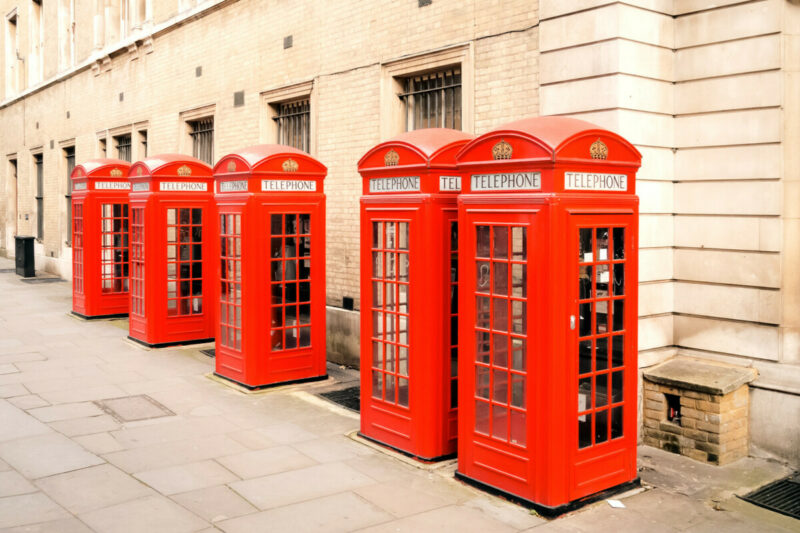
5. What All Successful London Pop-Up Shops Have in Common
Across these examples, several patterns emerge:
- They pick the right neighbourhood for their product & audience.
- They design an experience that gives more than just a shelf.
- They promote the event with urgency, exclusivity or novelty.
- They gather direct customer feedback and data.
- They treat the pop up as more than a sales channel — it’s brand building.
As you plan your own London pop-up shop, revisit your goals, audience and neighbourhood based on these lessons. And don’t forget: exploring real available spaces can help you visualise your concept — for instance via Marylebone retail spaces, Soho retail spaces and Shoreditch retail spaces.
Resources, Tools & Templates for Launching Your Pop-Up Shop in London
Running a pop-up shop in London becomes significantly easier when you have the right resources at hand. From free government tools and regulatory guidance to Storefront’s search pages and expert articles, the following list gives you everything you need to plan, launch and refine your activation efficiently.
Think of this section as your all-in-one resource hub — something you (and your team) can return to before every new pop-up shop or retail experiment.
1. Storefront Search Tools to Find the Right London Space
Choosing the right neighbourhood and property is one of the most important steps in launching a pop-up shop in London. Storefront offers the largest selection of flexible retail spaces across the city.
Explore by top-performing neighbourhoods:
- Soho:
https://www.thestorefront.com/search/london/soho/retail - Covent Garden:
https://www.thestorefront.com/search/london/covent-garden/retail - Shoreditch:
https://www.thestorefront.com/search/london/shoreditch/retail - Spitalfields / Brick Lane:
https://www.thestorefront.com/search/london/shoreditch/spitalfields/retail
https://www.thestorefront.com/search/london/shoreditch/bricklane/retail - Marylebone:
https://www.thestorefront.com/search/london/marylebone/retail - Mayfair:
https://www.thestorefront.com/search/london/mayfair/retail
https://www.thestorefront.com/search/london/mayfair/duke-street/retail
https://www.thestorefront.com/search/london/mayfair/south-molton-street/retail - Chelsea / King’s Road:
https://www.thestorefront.com/search/london/chelsea/retail
https://www.thestorefront.com/search/london/chelsea/kings-road/retail - Notting Hill:
https://www.thestorefront.com/search/london/notting-hill/retail
Belgravia:
https://www.thestorefront.com/search/london/belgravia/retail - London Bridge:
https://www.thestorefront.com/search/london/london-bridge/retail - Victoria:
https://www.thestorefront.com/search/london/victoria/retail - Battersea:
https://www.thestorefront.com/search/london/battersea/retail - Hackney:
https://www.thestorefront.com/search/london/hackney/retail - West End (Oxford Street / Regent Street):
https://www.thestorefront.com/search/london/west-end/oxford-street/retail
https://www.thestorefront.com/search/london/west-end/regent-street/retail
Bookmark these links — they’re essential for quickly comparing availability, size, fit-out and pricing.
2. Storefront Magazine Articles (Deep Guides, Ideas & Strategies)
These articles are here to support your planning, marketing and execution.
For beginners and first-time pop-up hosts:
- How to Start a Pop-Up Shop in London: A Step-by-Step Beginner’s Guide
- What exactly is a pop-up shop?
Planning your pop-up store
- How to Test Your Product or Brand With a London Pop-Up Shop
- How Long Should a Pop-Up Shop Last? (Format, Goals & ROI)
- Using Pop-Up Shops to Drive Online Sales (DTC Growth Strategy)
For choosing your location
- The Best London Neighbourhoods for a Pop-Up Shop (Ranked Edition)
- The Best Streets in London for Pop-Up Shops (2026 Edition)
Legal compliance, insurance and admin
- UK Pop-Up Shop Regulations: Licences, Permits & Legal Requirements
- Pop-Up Shop Insurance: What Cover You Need & How to Choose It
Budgeting and Money
- How Much Does It Cost to Run a Pop-Up Shop in London? (Budget Guide)
- How to Budget, Track & Manage Money During Your Pop-Up Shop
Designing your pop-up store
- How to Create a Shareable, Social-First Pop-Up Shop Experience
- How to Design a Pop-Up Shop: Layout, Lighting & Visual Merchandising Tips
- Experiential Retail in London: How to Build an Immersive Pop-Up Shop
- How to Create a Shareable, Social-First Pop-Up Shop Experience
- Sustainable Pop-Up Shop Fit-Outs: Affordable, Eco-Friendly Ideas
Getting ready to launch your pop-up shop
- How to Promote Your Pop-Up Shop in London: The Complete 2025 Playbook
- Pop-Up Shop Launch Ideas: Events, Collaborations & Influencer Strategy
- How to Build Buzz for Your Pop-Up Shop Before Opening
Operations and running your pop-up shop
- How to Run a Pop-Up Shop: Daily Operations & Best Practices
- How to Budget, Track & Manage Money During Your Pop-Up Shop
Measuring success and post pop up
- Pop-Up Shop KPIs: What to Measure & How to Analyse Your Results
- Should You Open a Permanent Store? Using Your Pop-Up Results to Decide
3. Government Tools & Official Guidance
Use these for compliance, registration and operational planning.
Business Registration
- Register as a sole trader or limited company:
https://www.gov.uk/set-up-business
Licensing & Permits
- Temporary Event Notice (TEN):
https://www.gov.uk/temporary-events-notice - Food business registration (mandatory if selling/serving food):
https://www.gov.uk/food-business-registration - Street trading licences (varies by council):
https://www.gov.uk/street-trading-licence
Health & Safety
- Health and safety for businesses (HSE):
https://www.hse.gov.uk/simple-health-safety/index.htm - Fire safety in retail environments:
https://www.gov.uk/workplace-fire-safety-your-responsibilities
HMRC & Tax
- Self Assessment overview:
https://www.gov.uk/self-assessment-tax-returns - Corporation Tax:
https://www.gov.uk/corporation-tax - VAT rules:
https://www.gov.uk/vat-businesses
GDPR / Data Protection
- Official ICO guide to UK GDPR compliance:
https://ico.org.uk/for-organisations/guide-to-data-protection/
London Logistics
- Congestion Charge & ULEZ rules (important for deliveries):
https://tfl.gov.uk/modes/driving/congestion-charge - Parking zones for loading:
https://tfl.gov.uk/info-for/urban-planning-and-construction/roads-and-loading
4. Tools & Templates for Running Your Pop-Up Shop
The following tools help streamline planning, operations and marketing.
Project Planning & Scheduling
- Notion (setup templates for build schedules):
https://www.notion.so - Asana or Trello for team coordination:
https://asana.com
https://trello.com
POS & Payments
Design & Branding
Marketing Tools
Surveys & Feedback
- Typeform (collect customer feedback effortlessly)
5. Reminder: Use Storefront’s Platform as Your Primary Planning Tool
Storefront gives you:
- Real-time availability of spaces
- Neighbourhood-specific insights
- Direct messaging with landlords
- Clear listings including size, amenities, photos & rates
- Flexibility to book by the day, week or month
To begin browsing, check out our London Pop-Up Shops.
People Also Ask: London Pop-Up Shops (FAQ Section)
What is a pop-up shop?
A pop-up shop is a short-term retail space used by brands to sell products, test new markets or build awareness without committing to a long lease. In London, pop ups typically run from a few days to several weeks, depending on the space and the brand’s goals.
How much does it cost to run a pop-up shop in London?
Costs vary widely by neighbourhood, size, and duration. Most brands spend between a few hundred pounds per day and several thousand per week once rent, staffing, fit-out, POS and marketing are included. For a deeper breakdown, see:
How Much Does It Cost to Run a Pop-Up Shop in London?
Do I need a licence to run a pop-up shop in London?
Most indoor retail pop ups do not require special licences, but you may need permissions for events, alcohol, food, music, signage or street trading. Requirements vary by borough and building type. For guidance, see:
UK Pop-Up Shop Regulations: Licences, Permits & Legal Requirements
How long should a pop-up shop stay open?
The ideal length depends on your goals. Product launches and brand activations often run for 3–10 days, while DTC and retail brands typically choose 2–4 weeks. Longer durations can build deeper customer insight and stronger sales. More detail:
How Long Should a Pop-Up Shop Last?
Where are the best places in London for a pop-up shop?
Popular areas include Soho, Shoreditch, Covent Garden, Notting Hill, Chelsea and Marylebone. Each neighbourhood attracts different audiences and footfall patterns. Explore the full breakdown:
The Best London Neighbourhoods for a Pop-Up Shop (Ranked)
How do I choose the right location for my pop-up shop?
Think about footfall, audience fit, nearby brands, accessibility, and the type of experience you want to create. Also consider seasonality, peak times, transport links and the visibility of the unit itself. Comparing several neighbourhoods before choosing helps avoid common mistakes.
Can I test my product or idea using a pop up in London?
Yes — London is one of the best markets for product testing due to diverse audiences and concentrated footfall. Pop ups help you understand price sensitivity, product–market fit, and customer behaviour. For a full testing method, see:
How to Test Your Product or Brand With a London Pop-Up Shop
Do pop-up shops help online sales?
Yes. Pop-ups can significantly increase online revenue by improving trust, driving email sign-ups and creating content that feeds your digital ecosystem. Many brands see strong post-visit conversions. More detail here:
Using Pop-Up Shops to Drive Online Sales (DTC Growth Strategy)
How do I promote a pop-up shop in London?
Most brands use a mix of local marketing, influencers, PR, paid ads, email campaigns and partnerships with nearby businesses. Promotion should begin 2–6 weeks before opening. Full strategies:
How to Promote Your Pop-Up Shop in London (2025 Playbook)
How do I measure the success of a pop-up shop?
Common metrics include footfall, conversion rate, sales, average order value, dwell time, email sign-ups and online activity during and after the activation. A complete list is here:
Pop-Up Shop KPIs: What to Measure & How to Analyse Your Results
Can a pop-up shop lead to a permanent store?
Yes. Many brands use London pop ups to test specific streets, measure sales potential, or gauge whether a long-term lease is viable. Your data will show whether customer demand is strong enough for a permanent location. More guidance:
Should You Open a Permanent Store in London?
Conclusion: Your Next Steps to Launch Your Pop-Up Shop in London
Launching a pop-up shop in London is one of the most effective ways to grow your brand, reach new customers, experiment with experiential retail, and create meaningful real-world interactions. Whether you’re testing new products, expanding into physical retail for the first time, or strengthening your digital brand through offline experiences, a well-planned pop-up store gives you the flexibility and impact you need — without the long-term risk of a traditional lease.
Throughout this guide, we’ve walked through every major step:
- Setting your goals and defining your concept
- Choosing the right London neighbourhood — from creative Shoreditch to premium Mayfair
- Budgeting realistically for London retail
- Understanding legal and regulatory requirements
- Designing an engaging, memorable environment
- Planning seamless operations and payment systems
- Marketing your activation across social, PR and community channels
- Running the store smoothly day-to-day
- Measuring success and planning what comes next
- Learning from real London case studies
The opportunities in London are enormous — but so is the competition. A pop-up shop helps you stand out, build momentum, and learn what truly resonates with your audience.
Your Next Step: Find the Right Space
Choosing the right location is the most important decision you’ll make. It shapes your footfall, brand perception, and overall success. To explore what’s currently available, start with Storefront’s London-wide search:
Browse London pop-up shop spaces.
Or jump straight into the areas best suited to your concept:
- Soho (fashion, lifestyle, high energy):
- Shoreditch (creative, experiential, streetwear):
- Covent Garden (premium, tourist-heavy, highly experiential):
- Chelsea & King’s Road (design-first, premium shoppers):
- Marylebone (refined, lifestyle-driven retail):
These pages will help you understand availability, budget ranges, footfall potential and design possibilities.
Build on What You’ve Learned
A pop-up shop isn’t just a temporary store — it’s a learning engine.
Brands that succeed with physical retail in London tend to:
- Document every insight
- Build repeatable processes
- Test different locations
- Use pop-ups as stepping stones to permanent expansion
- Stay flexible and reactive to customer behaviour
Many of the most successful brands in London started with pop-up stores. The beauty of this model is that you don’t need to get everything perfect on the first try — you simply need to begin.
Where Storefront Fits In
Storefront exists to make launching a pop-up shop simple, safe and fast. You can:
- Compare hundreds of flexible retail spaces
- Filter by neighbourhood, footfall, amenities, size or budget
- Communicate directly with landlords
- Book and pay securely
- Plan your activation with confidence
Whether your next step is a small weekend concept in Hackney, a high-impact experiential space in Soho, or a polished retail moment in Mayfair, Storefront is designed to support you at every stage.
Ready to launch your London pop-up shop?
Your space is the foundation of everything you create — the community you build, the stories you tell, and the customers you bring into your world.
Start exploring the right location today:
References and Links
London Neighbourhood Pop-Up Shop Pages
Explore London retail spaces:
- Pop-up shops in Soho
- Retail spaces in Shoreditch
- Pop-up stores in Covent Garden
- Pop-up spaces in Mayfair
- King’s Road (Chelsea) retail spaces
- Pop-up spaces in Marylebone
- Retail spaces in Camden
- Rent pop-up stores in Battersea
- Pop up in Hackney
- Rent a retail space in Belgravia
- Pop-up stores in London Bridge
- Rent a pop-up shop in South Kensington
- Lease a pop-up store in Notting Hill
- Oxford Street pop-up shops
- Victoria retail spaces for rent

- A Guide to Effective Pop-Up Store Collaborations for Small Businesses - March 18, 2026
- How to Create an Instagrammable Pop-Up Shop - March 18, 2026
- How Brands Use Pop-Up Spaces During Amsterdam Dance Event - March 10, 2026
Related posts:
 Pop Up Shops in Chicago: The Complete Guide to Opening a Temporary Retail Space
 The Complete Guide to Launching a Pop-Up Shop in New York
 The Best Neighborhoods for a Pop-Up Shop in New York (2026 Ranking)
 What is a pop-up shop? Everything you need to know to try short-term retail
 How to Set Up a Pop-Up Art Gallery: 8 Steps to Renting and Launching Your Exhibition