

Freddie’s Flowers began as a simple idea: deliver fresh, seasonal flowers directly to customers across the UK. What started as a small subscription flower service quickly grew into one of the country’s best-known direct-to-consumer floral brands.
To accelerate brand awareness and reach new audiences, the company experimented with pop-up stores and temporary retail activations across London. These short-term spaces allowed the brand to meet potential customers face-to-face, introduce its service, and generate buzz beyond its digital channels.
Today, experiential retail and pop-up stores have become a common strategy for digitally native brands looking to bring their products and services into the physical world.
Understanding the Audience Behind the Pop-Up Strategy
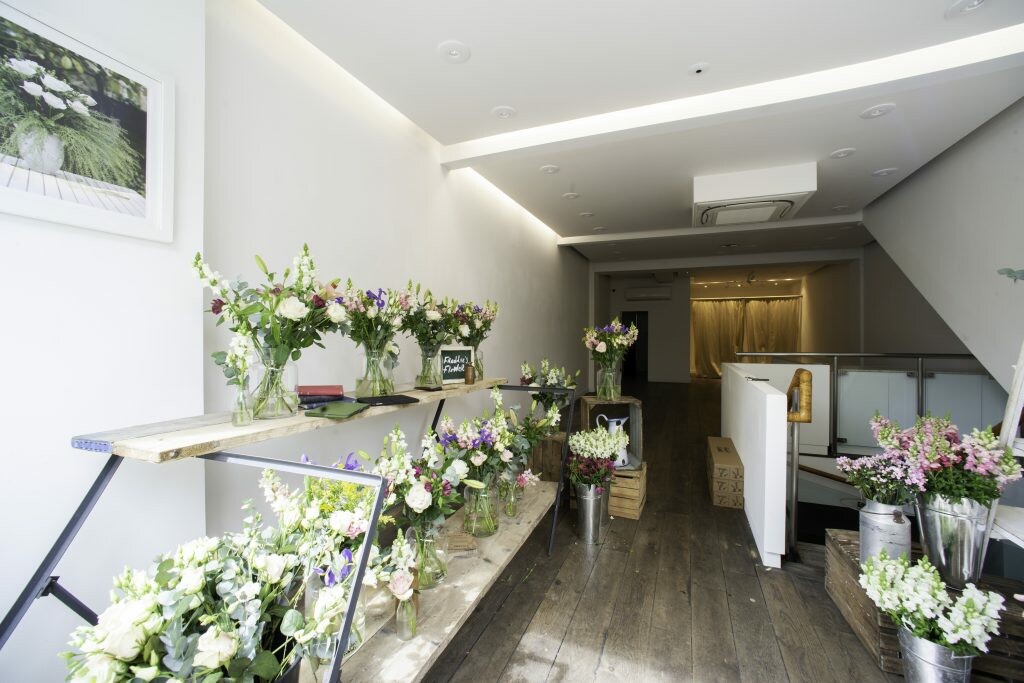
Freddie’s Flowers initially built its customer base through direct engagement — including door-to-door sales in South London. This early approach helped the team understand where their target customers lived and how they discovered new brands.
That insight later informed the brand’s pop-up strategy.
Rather than opening permanent stores, the company launched short-term pop-up activations in neighbourhoods where demand was already strong. Temporary retail spaces provided a flexible way to connect with local audiences without the costs of long-term leases.
Understanding customer behaviour is a key factor in planning successful pop-up activations. Our guide to how to open a pop-up store explains how brands evaluate locations, audiences, and goals before launching a temporary retail experience.
Why Freddie’s Flowers Used Pop-Up Stores
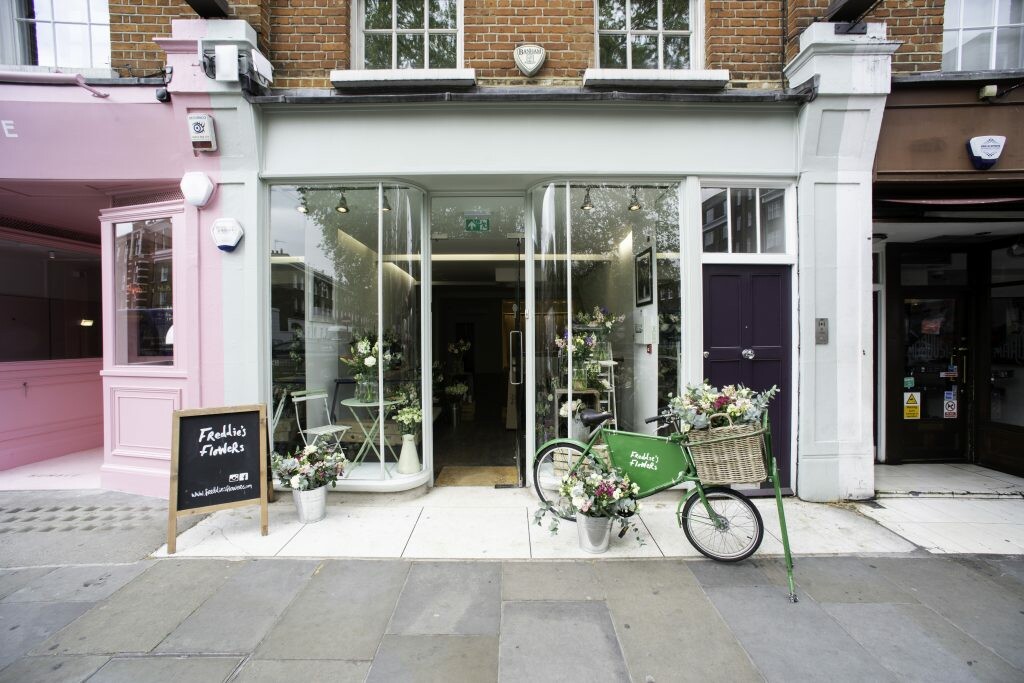
Back in 2019, Freddie’s Flowers began experimenting with pop-up stores as a marketing channel rather than a traditional retail outlet.
The concept was simple: create visually striking spaces where visitors could discover the brand and learn about the subscription service — even though flowers were not sold directly in the store.
Instead, the pop-ups focused on:
- introducing the brand to new audiences
- encouraging sign-ups to the delivery service
- building local brand recognition
- creating memorable experiences that visitors would share online
This approach allowed the company to combine physical retail with digital customer acquisition.
Many brands now use temporary stores in similar ways — not only to sell products, but to build awareness and test markets before committing to permanent locations.
Choosing the Right Pop-Up Locations
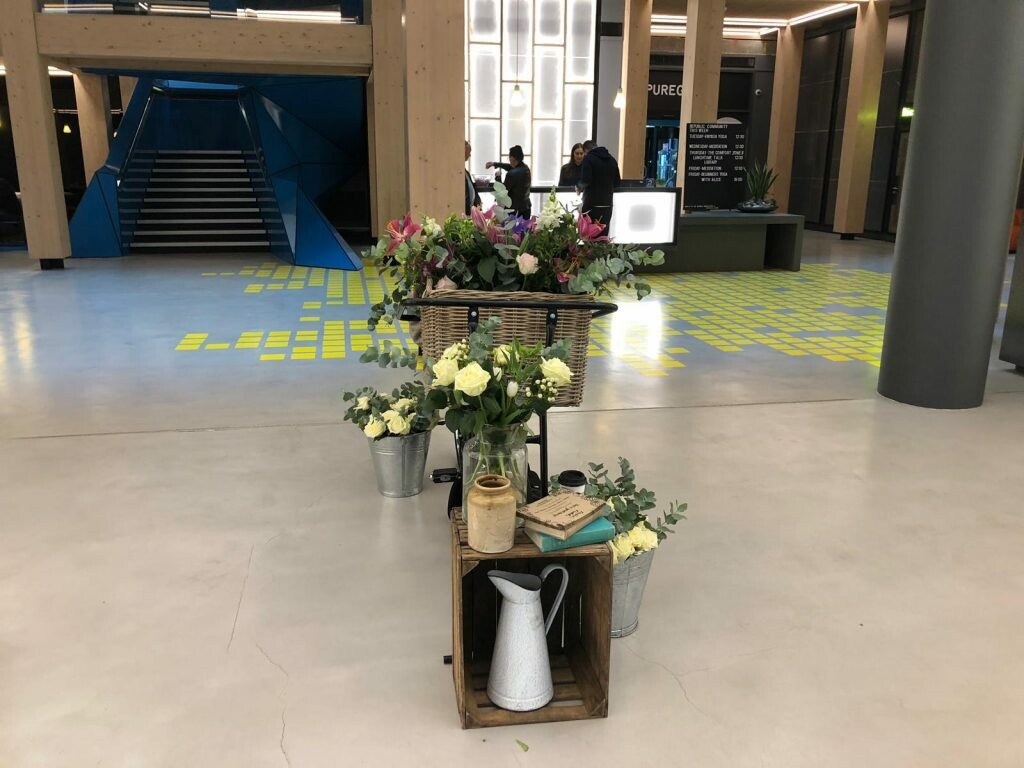
Freddie’s Flowers launched a series of pop-ups across London, including locations in high-footfall neighbourhoods such as Chelsea and central London business districts.
The team selected locations based on their existing customer data and knowledge of where their target audience lived or worked.
For example:
For brands
Popping up in London?
Explore short-term spaces in London with Storefront.
Explore London spaces- Central London activations attracted a diverse audience of commuters and office workers
- Chelsea pop-ups helped reinforce brand recognition in an area where the company already had a strong customer base
Choosing the right location is often the most important factor in a successful pop-up campaign. Brands planning similar activations can explore retail spaces for rent in London or discover available spaces in neighbourhoods like Chelsea.
You can also explore our Chelsea neighbourhood guide to learn why the area has become a popular destination for pop-up retail.
Measuring the Success of a Pop-Up Store
Unlike traditional retail stores, Freddie’s Flowers measured the success of its pop-ups primarily through brand awareness and customer engagement, rather than immediate sales.
The temporary stores generated strong interest from passersby and helped the company reach new audiences in key London neighbourhoods.
Pop-up activations also allowed the team to:
- reconnect with existing customers
- gather feedback from potential subscribers
- test new marketing ideas in a physical environment
- strengthen the brand’s presence in specific locations
Tracking foot traffic, engagement and customer feedback can help brands understand the real impact of temporary retail experiences.
The Role of Pop-Ups in a Growing Brand
Freddie’s Flowers continued to expand its use of pop-ups as part of a broader marketing strategy, even running multiple activations at the same time across London.
The company also explored ways to enhance the experience with additional elements such as:
- flower arranging workshops
- community events
- experiential installations
For digital-first brands, temporary retail spaces offer a powerful way to bring a brand story to life and build relationships with customers beyond the online world.
Seasonal moments can also provide opportunities for floral brands to connect with customers through physical retail. For example, pop-up stores often appear around gifting occasions such as Valentine’s Day pop-up shops or Mother’s Day pop-up stores.
Launch Your Own Pop-Up Store
Pop-up stores offer brands a flexible way to test retail ideas, build awareness and create memorable experiences for customers.
Storefront helps brands discover short-term retail spaces in major cities around the world.
You can explore available locations such as:
If you’re exploring how temporary retail fits into a broader brand strategy, our guide to seasonal pop-up shops explains how brands plan pop-up activations throughout the year.

Written by
Adrien Kerbrat is Chief Revenue Officer and co-founder of Storefront. With more than 10 years in commercial real estate, he is an expert on the French market and short-term retail across Europe. Based in Bordeaux and often in Paris, he writes on pop-up strategy, retail location, and the French retail landscape.
More from Adrien Kerbrat →Related posts:
 Kodak Launches Experiential Pop-Up Store in London’s Soho
 How Carlo Felice Introduced Its Luxury Womenswear With a Pop-Up Shop in Chelsea
 How Button & Wilde Used a Pop-Up Shop in Soho to Showcase Personalised Products
 How Dr. Hauschka Celebrated Its 50th Anniversary With a Pop-Up Shop in London
 How SELFNATION Used a Pop-Up Store in London to Introduce Custom-Fit Denim