

Pop-up retail has evolved from a trend into a proven growth strategy. Brands use pop-up stores to test markets, launch products, build brand awareness, and generate direct sales — all without committing to a long-term lease.
If you’re asking how to open a pop-up store, this guide walks you through every stage: planning, budgeting, finding the right space, designing the experience, handling permits, and running the store successfully.
If you’re new to the concept itself, start with our definition of what a pop-up shop is. Below, we focus on execution.
When you’re ready to explore spaces, you can browse available pop-up store rentals or search retail locations in cities like New York, London, and Paris.
1. Define Your Goal Before You Open a Pop-Up Store
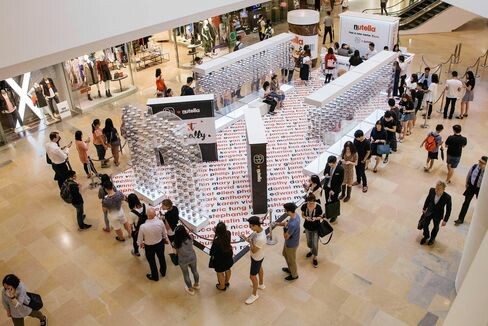
Every successful pop-up begins with clarity.
Are you opening your pop-up shop to:
- Test a new city?
- Launch a limited collection?
- Drive revenue?
- Capture customer data?
- Build press and social visibility?
Your primary objective will determine the duration of your activation, the neighborhood you choose, your budget allocation, and how you measure success.
If you need inspiration, explore these creative pop-up shop ideas to see how different brands approach temporary retail.
Before finalizing your concept, it can be helpful to understand how different sectors approach short-term retail. Our guide to pop-up shop strategies by industry breaks down how objectives vary across fashion, luxury, DTC and other verticals.
2. Set Your Budget and Timeline
Opening a pop-up store requires disciplined financial planning. While it’s temporary, the investment must be structured.
Your budget should account for:
- Rent and deposit
- Insurance
- Design and fit-out
- Fixtures and signage
- Staffing
- Marketing
- Technology and POS systems
- Utilities and contingency
Premium retail streets in cities like New York, London, and Paris command higher rates, but they also provide higher visibility and foot traffic potential.
For a detailed breakdown, review this guide on pop-up store budgets.
Set a realistic timeline as well. Securing permits, organizing inventory, and coordinating marketing campaigns all take longer than most first-time operators expect.
3. Find the Right Location
Location remains one of the most decisive factors when opening a pop-up shop.
Start with your audience. Where do they shop? What neighborhoods align with your brand positioning? Is high foot traffic essential, or is destination appeal more important?
If you’re targeting major retail cities, explore our in-depth local guides:
You can browse available retail spaces directly in:
Or explore global options via Storefront’s marketplace to compare size, duration, and pricing.
If you’re still deciding where to launch, this guide on how to choose the best destination for your next pop-up provides a structured framework.
4. Design a Store That Guides Customers Naturally
When setting up a pop-up store, layout is not just aesthetic — it’s strategic.
Retail research consistently shows shoppers tend to move to the right upon entering a store. That makes your entrance zone critical for impact. Focal products, strong visual storytelling, and clear pathways all influence engagement and sales.
For tactical layout advice, see these pop-up shop layout tips. For a broader design strategy, read our pillar guide on how to design an effective layout for your pop-up store.
Pop-up retail is increasingly experiential. Customers expect interaction, immersion, and shareable moments. These experiential retail case studies demonstrate how brands turn temporary spaces into powerful brand activations.
Beyond logistics and permits, your physical environment directly influences performance. Investing time in thoughtful pop up store design — from layout flow to product visibility — can dramatically impact customer engagement and sales.
Small details matter. Signage improves navigation and conversion, as explained in these pop-up signage tips. Elements like greenery can soften and elevate the space — learn how to use plants in your pop-up store. Even your soundtrack influences customer dwell time; here’s how to choose the best music for your pop-up store.
5. Plan Logistics and Technology Early
Inventory management, payment systems, and security planning should be handled before you move into the space.
Cloud-based POS systems allow you to:
For brands
Ready to launch your pop-up?
Find and book your short-term retail space with Storefront.
Find a space- Track inventory in real time
- Process payments efficiently
- Capture customer data
- Analyze performance
Technology and Tools for Your Pop-Up Shop
Technology plays a central role in how modern pop-up shops operate and perform. From mobile POS systems and inventory management to AI-powered experiences and data capture tools, the right setup can significantly improve both customer experience and sales. For a complete breakdown of what to use and how to implement it, see this guide to pop-up shop technology.
To understand how these tools are applied in real retail environments, explore these practical examples of how to use technology in a pop-up store.
6. Secure Permits, Licenses, and Insurance
Opening a pop-up store without proper approvals can result in delays or fines.
Permit requirements vary by city and product type. This guide on getting the right permits outlines what to consider.
If you plan to sell food or beverages, additional licenses may apply. Here’s how to offer food and drink at your pop-up store.
Insurance is equally important. Temporary retail still carries liability risk. Review this article on how to protect your pop-up shop before launch.
7. Hire and Train the Right Team
Staff are central to how customers experience your brand.
In a short-term environment, you need confident, adaptable team members who understand your products and your objective. This guide to hiring for pop-up shops explains how to recruit and manage temporary retail staff effectively.
Clear briefing ensures your team can convert traffic into meaningful engagement.

8. Create a Marketing Plan Before You Open
Even prime retail locations benefit from proactive marketing.
Effective pop-up promotion combines digital campaigns, email marketing, influencer partnerships, PR outreach, and on-the-ground visibility. Read this article on marketing your pop-up store. Or check out this article on how to generate footfall to your pop-up store.
Opening events, limited releases, and collaborations can help generate momentum from day one.
9. Avoid Common Mistakes When Opening a Pop-Up Shop
First-time operators often underestimate costs, overlook regulations, or neglect marketing.
To reduce risk, review this guide on mistakes to avoid when opening a pop-up store.
For a practical step-by-step overview, use this pop-up store success checklist to stay organized throughout the process.
10. Measure Performance and Decide What’s Next
Once your pop-up closes, analyze results carefully.
Review revenue, conversion rate, customer acquisition cost, and customer feedback. Did the location perform as expected? Did your design drive engagement?
Strong results may justify extending your activation. If you’re considering that route, explore the benefits of long-term pop-up stores.
Each pop-up should inform your next retail move.
Ready to Open Your Pop-Up Store?
Finding the right space is often the most critical step.
Storefront connects brands with flexible retail spaces worldwide, from high-footfall flagship streets to creative neighborhood storefronts.
Start by browsing available pop-up store rentals, or explore retail spaces in:
With flexible lease terms and global inventory, you can secure a location that aligns with your brand and your goals.
FAQ: How to Open and Run a Pop-Up Store
How do I open a pop-up store?
To open a pop-up store, define your objective, set a budget and timeline, secure a suitable retail space, design the layout, arrange logistics and technology, obtain permits and insurance, hire staff, and promote the launch. Careful planning reduces risk and improves profitability.
How much does it cost to open a pop-up shop?
Costs vary depending on city, size, and duration. Expenses typically include rent, deposit, insurance, fit-out, marketing, staffing, and technology. Prime locations in cities like New York, London, and Paris generally require higher budgets.
How long should a pop-up store stay open?
Pop-ups can run for a few days, several weeks, or longer. The ideal duration depends on your objective — short runs create urgency, while longer activations allow deeper market testing and stronger ROI.
Do I need permits to open a pop-up store?
Yes, in most cases. Requirements vary by city and product category. Food and beverage sales often require additional licensing. Always confirm local regulations before launching.
Are pop-up stores profitable?
They can be profitable when planned carefully. Many brands evaluate success based on a combination of direct sales, customer acquisition, brand awareness, and data capture.
Opening and running a pop-up store requires planning, creativity, and operational discipline. With the right strategy — and the right location — temporary retail can become a powerful and repeatable growth channel.
When you’re ready to move forward, explore available pop-up store rentals and secure the space that fits your vision.
For brands
Ready to launch your pop-up?
Find and book your short-term retail space with Storefront.
Find a space
Written by
Adrien Kerbrat is Chief Revenue Officer and co-founder of Storefront. With more than 10 years in commercial real estate, he is an expert on the French market and short-term retail across Europe. Based in Bordeaux and often in Paris, he writes on pop-up strategy, retail location, and the French retail landscape.
More from Adrien Kerbrat →Related posts:
 What is a pop-up shop? Everything you need to know to try short-term retail
 How to Set Up a Pop-Up Art Gallery: 8 Steps to Renting and Launching Your Exhibition
 Offline Marketing Ideas for Pop-Up Shops
 The 5 Types of Pop-Up Shops (With Examples) & How to Choose the Right One
 Automotive Pop-Up Shops: How Car Brands Use Temporary Showrooms to Launch, Test and Sell